Werksviertel-Mitte Stiftung
Wie lassen sich erfolgreiches unternehmerisches Wirken mit der Orientierung am Gemeinwohl und dem Denken über Generationen hinaus verbinden? Das Werksviertel-Mitte und die Werksviertel-Mitte Stiftung sind lebendige Antworten auf diese Frage.

30 Jahre Stiftungsarbeit
Der Ursprung der Werksviertel-Mitte Stiftung liegt in der Stiftung Otto Eckart. Sie wurde 1996 – drei Jahre nach dem Verkauf des Familienunternehmens Pfanni – von Otto Eckart ins Leben gerufen. Drei Jahrzehnte lang begleitete die Stiftung seither die Entwicklung des Stadtquartiers Werksviertel-Mitte auf dem ehemaligen Pfanni-Produktionsgelände. Sie förderte unter anderem Kinder und Jugendliche, Bildung, Kunst, Kultur, Völkerverständigung sowie den Umweltschutz.
In dieser Zeit wurden zahlreiche Projekte auf den Weg gebracht. Etwa die vielbeachtete Almschule im WERK3, der Nachhaltigkeits- und Zukunftstag DAY OF HOPE, das jährliche Kinder- und Jugendfestival JuKi oder der all inclusive Award im Rahmen des DOK.fest München.
Auf der Vergangenheit aufbauen
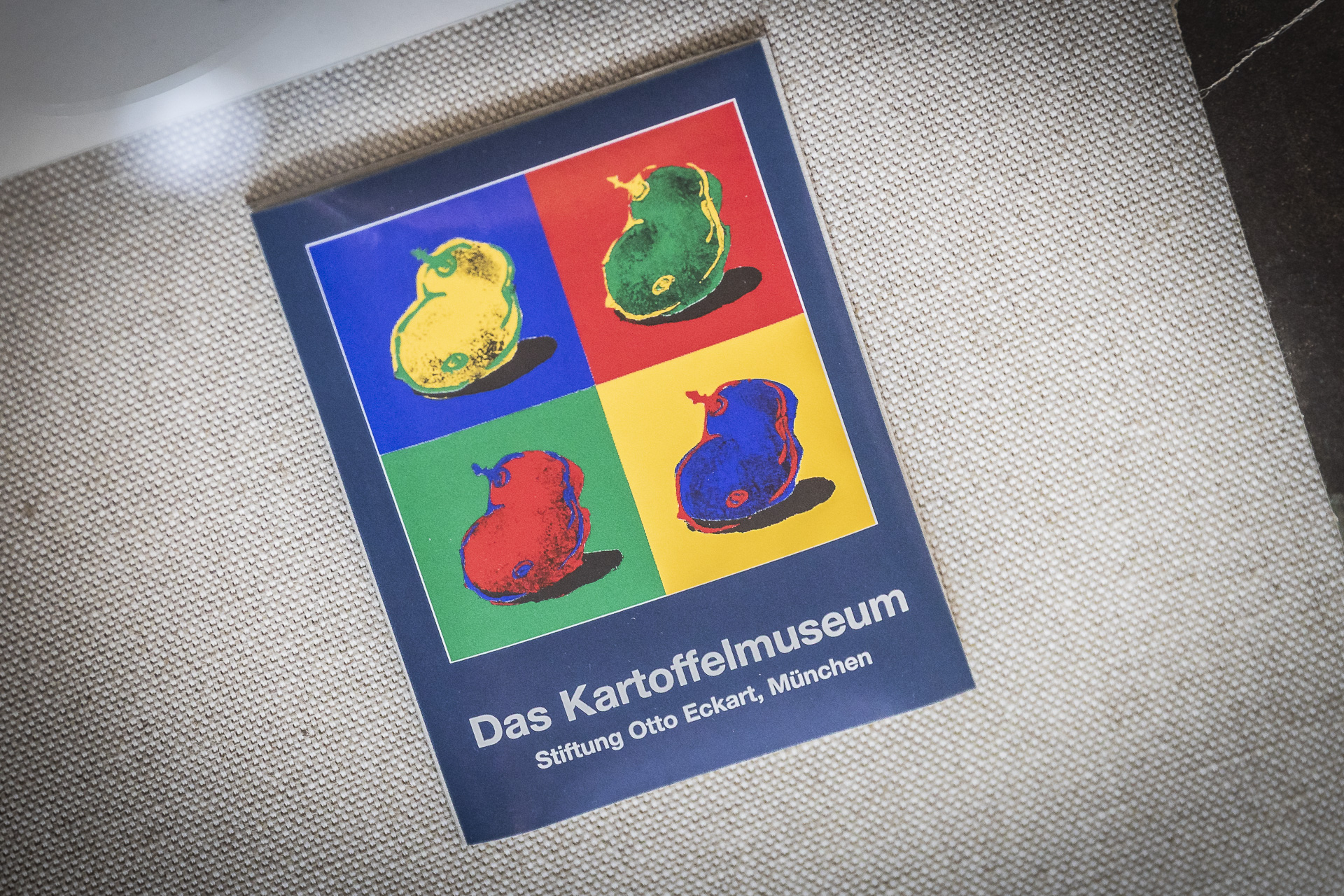
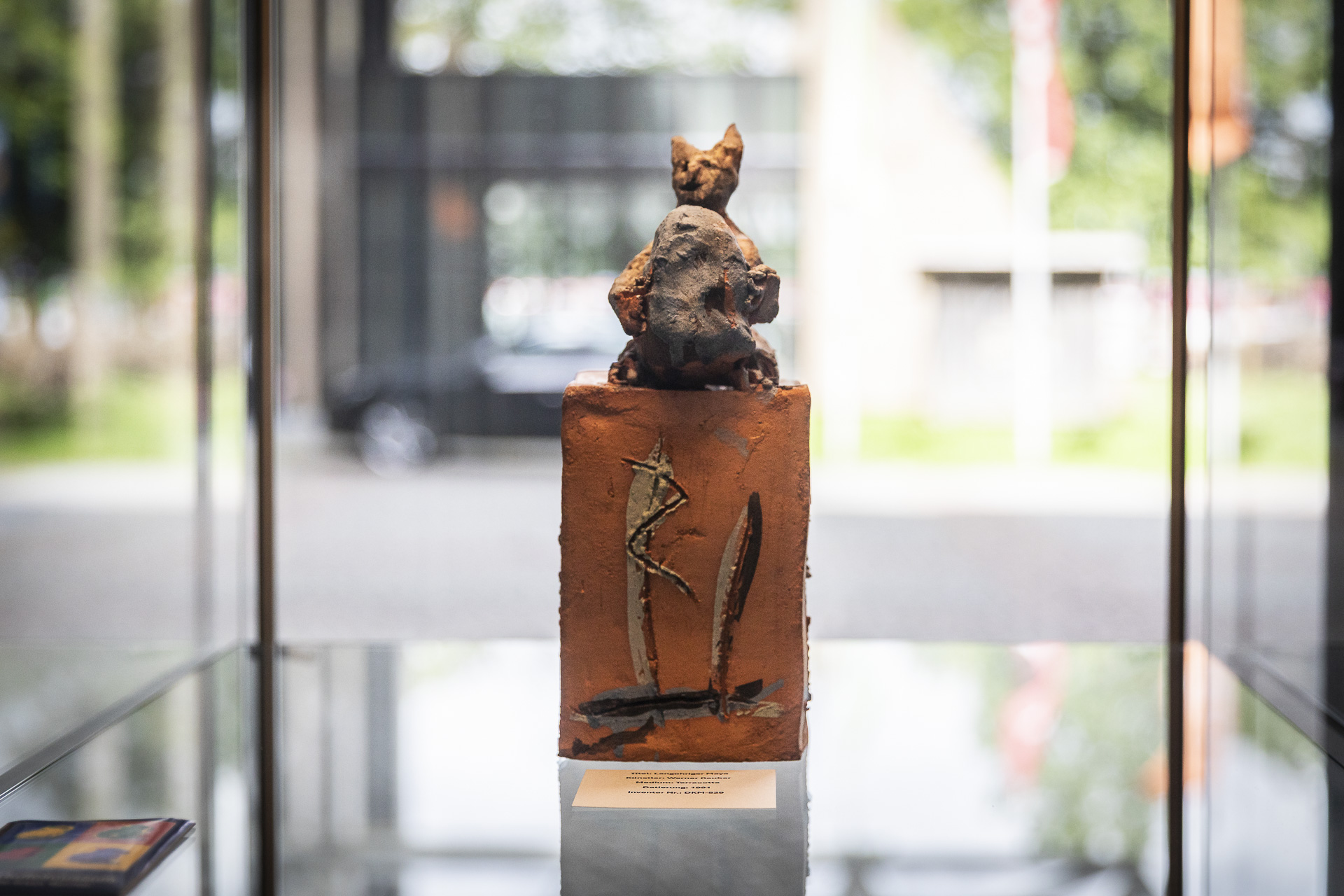
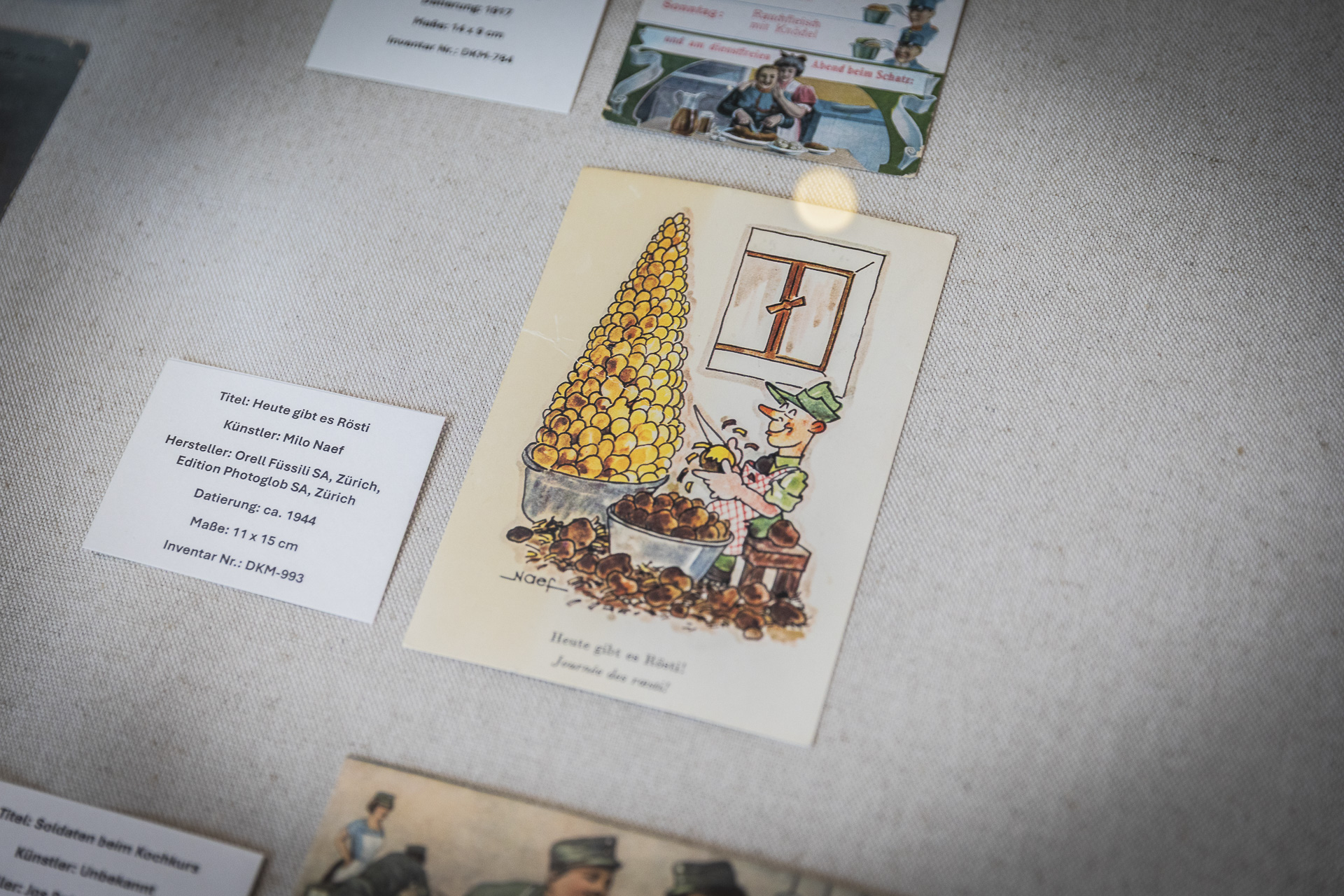
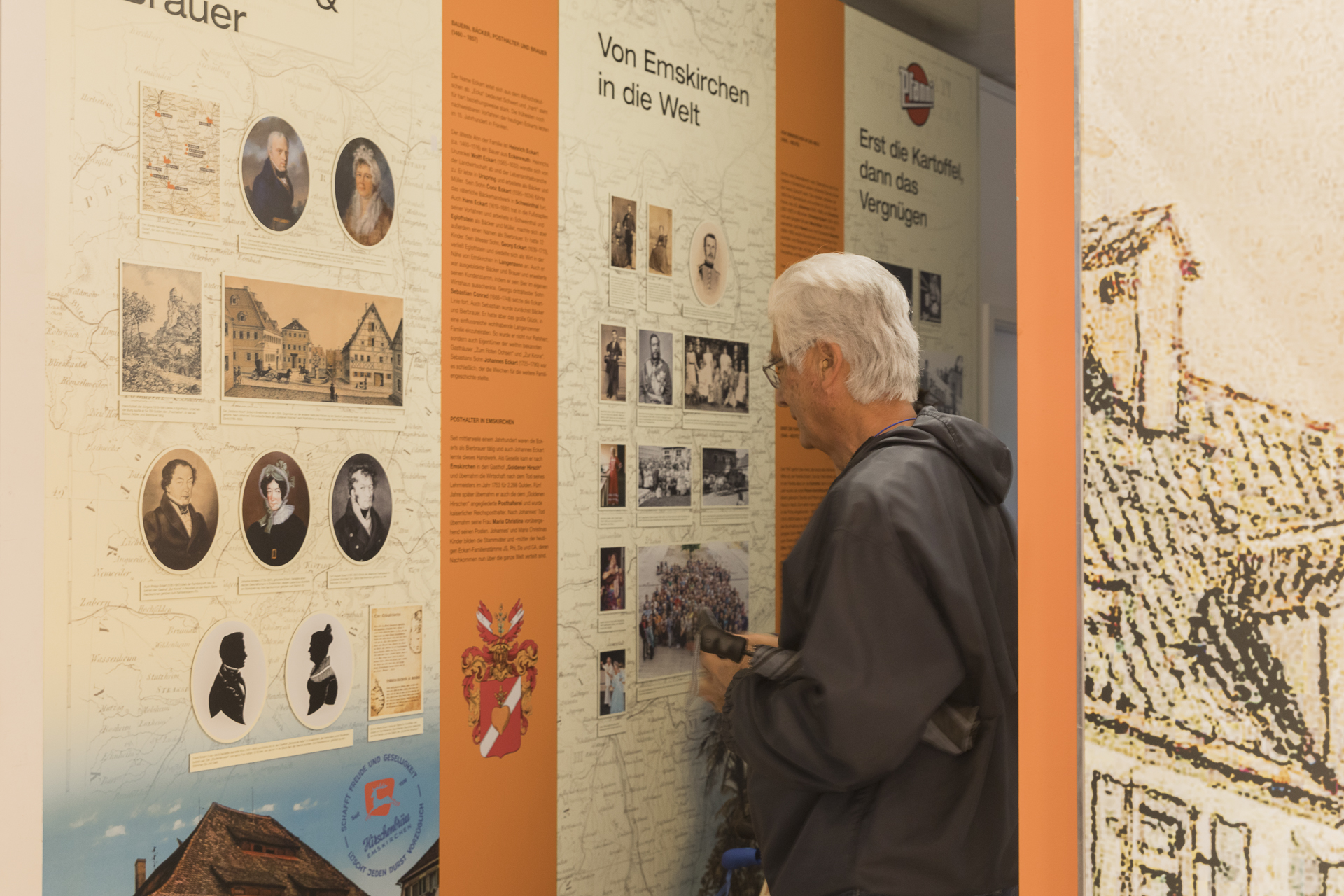
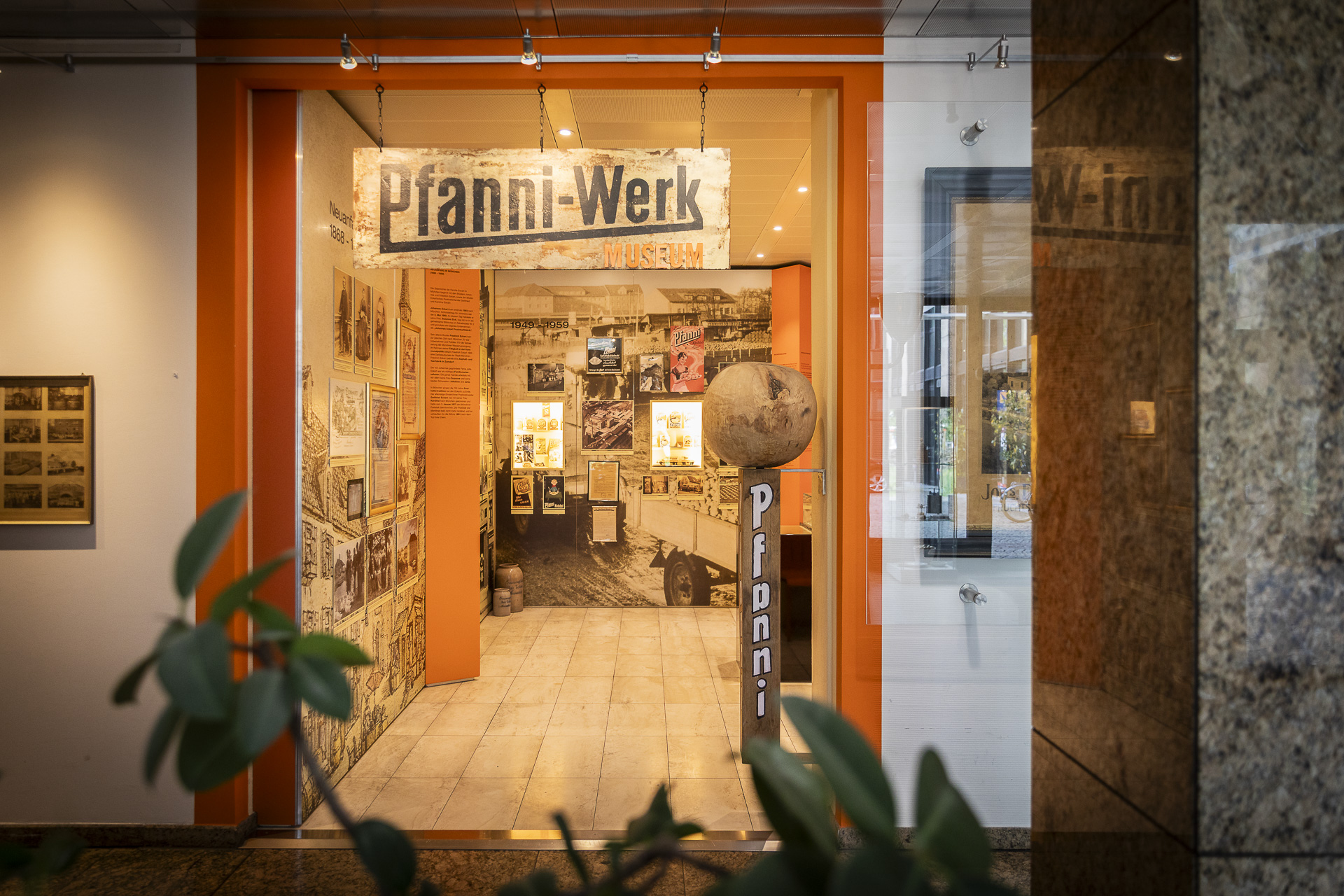
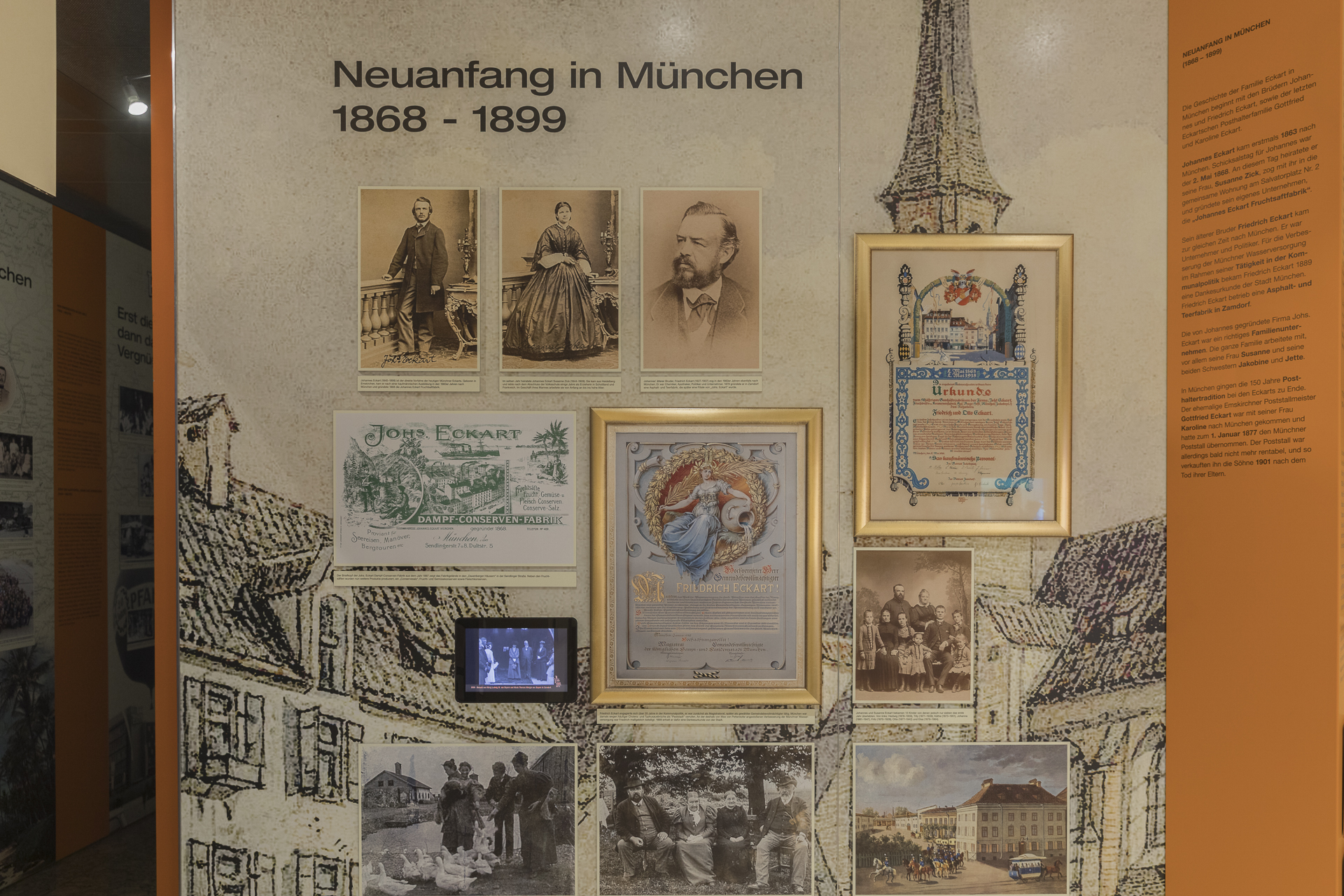
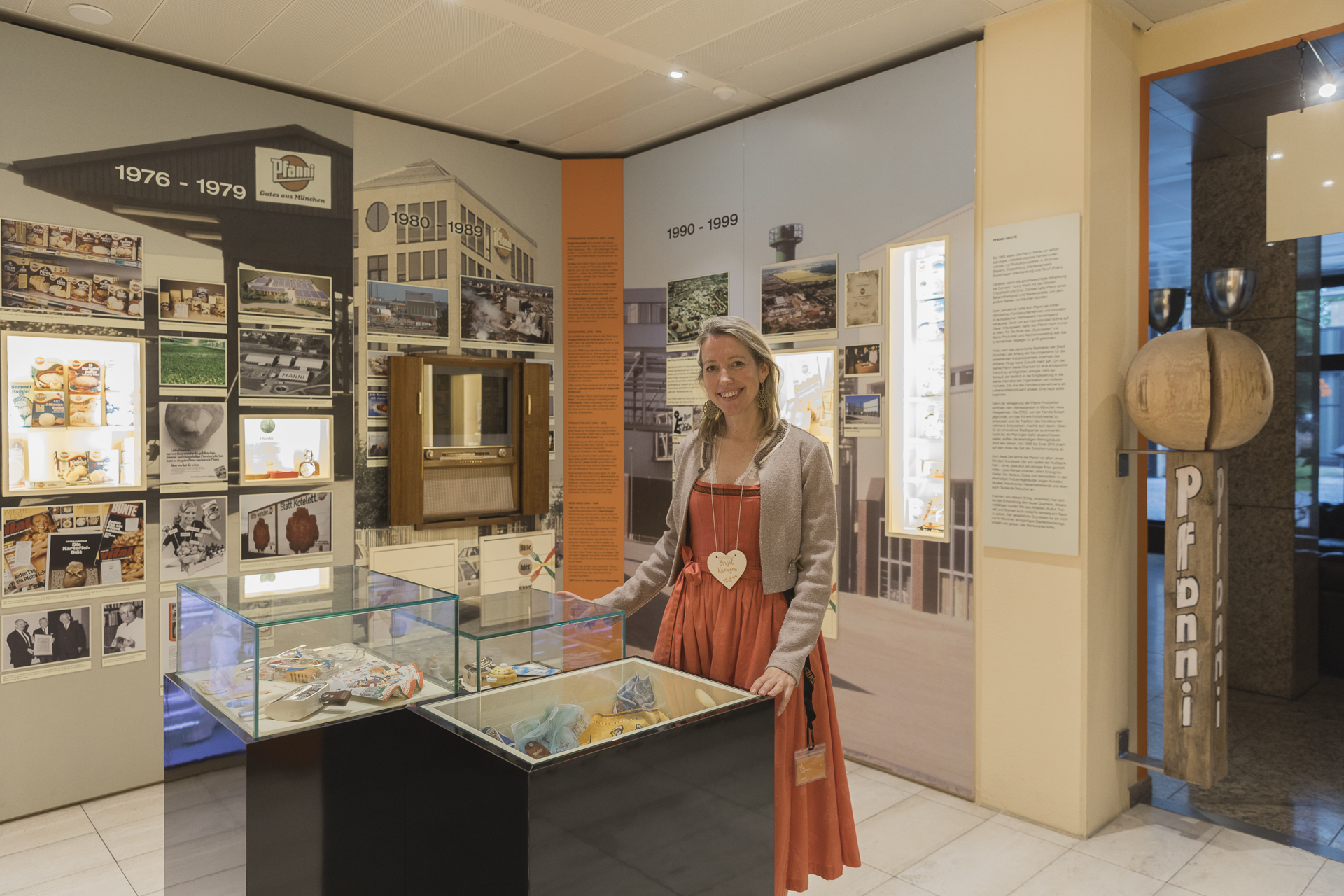
Zum Stiftungsauftrag gehört auch die Pflege des Kartoffelmuseums und des Pfanni-Museums, mit denen die Erinnerung an die Industriegeschichte des Areals lebendig und erlebbar bleibt – jene Vergangenheit, welche die vielfältige Gegenwart und die visionäre Zukunft des Werksviertel-Mitte überhaupt erst möglich gemacht hat.
Urenkeltauglichkeit als Leitmotiv
In den Entwurf des Werksviertel-Mitte flossen von Anfang an nicht nur Planzahlen wie die Bruttogeschossfläche oder die wirtschaftliche Wertsteigerung. Ebenso maßgeblich für die Ausgestaltung des Viertels war die Frage nach der „gesellschaftlichen Rendite“: Welchen Nutzen stiftet unser Quartier für die Menschen? Wie ermöglichen wir eine umfassende gesellschaftliche Teilhabe? Und was für eine Welt wollen wir unseren Urenkeln eines Tages hinterlassen?
Eine neue Stiftungswelt
Mit der 2026 angestoßenen Transformation – aus der Stiftung Otto Eckart wird die Werksviertel-Mitte Stiftung – soll die Stiftungsarbeit eine noch stärkere Rolle bei der Quartiersentwicklung und im Quartiersbetrieb einnehmen. Zum einen ist die Werksviertel-Mitte Stiftung wichtige kreative Impulsgeberin, um dem Anspruch gerecht zu werden, die Menschen im Viertel immer wieder neu zu überraschen. Zum anderen ist die Stiftung aufmerksame Hüterin der Idee eines urenkeltauglichen und gemeinwohlorientierten Miteinanders.
Zur Stiftungswelt im Werksviertel-Mitte gehören auch die Theobald-Böhm-Stiftung und die Münchner Kindl Stiftung. Diese werden – betreut von der Werksviertel-Mitte-Stiftung – als eigenständige Stiftungen fortgeführt.

Was wir tun – Projekte, Events, Aktionen
Als Stiftung engagieren wir uns im Werksviertel-Mitte in vielfältiger Weise. Wir betreuen dauerhafte Projekte wie die Almschule oder die Künstlergemeinschaft der whiteBOX-Ateliers im Quartier. Wir organisieren und veranstalten regelmäßige Events wie den DAY OF HOPE oder das JuKi-Festival. Und wir initiieren kurzfristige Hilfsaktionen, wenn besonders schnell Unterstützung benötigt wird. Unsere wichtigsten Aktivitäten in der Übersicht:
Über 2000 Kinder und Jugendliche aus München und Umgebung besuchen mittlerweile jährlich die Almschule auf dem Dach des WERK3. Das einzigartige Bildungsprojekt führt auf spielerische Weise an Nachhaltigkeitsthemen heran und bestärkt Kinder und Jugendliche darin, zu selbst bestimmten Akteuren einer nachhaltig gestalteten Lebensweise zu werden.
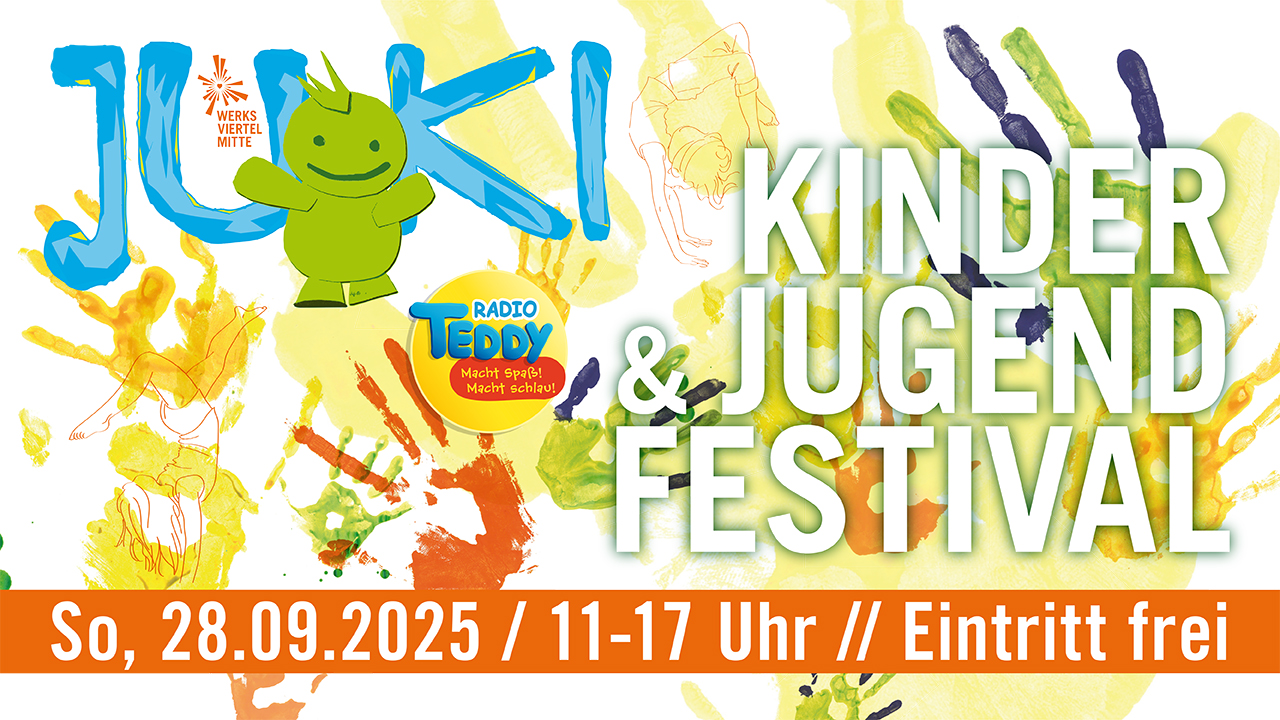
Einmal im Jahr zieht das Kinder- und Jugendfestival JuKi bis zu 6000 große und kleine Besucherinnen und Besucher ins Werksviertel-Mitte. Dort erwarten sie zahlreiche kostenlose Mitmach- und Unterhaltungsangebote, von Sport über Musik bis zu Kreativarbeit. Den rund 100 Ausstellern bietet das JuKi eine einzigartige Möglichkeit auf sich aufmerksam zu machen.
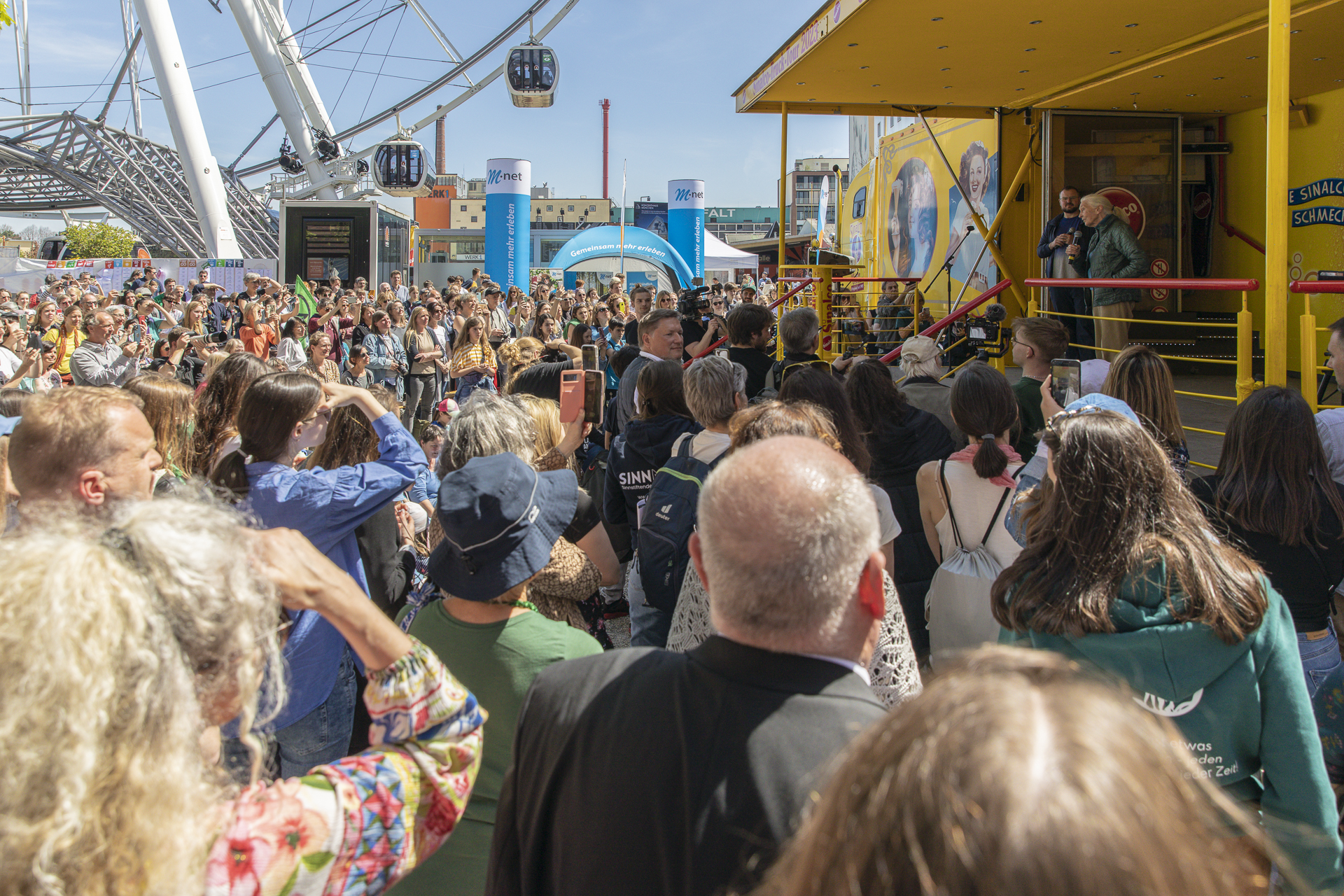
Der DAY OF HOPE steht ganz im Zeichen der 17 Nachhaltigkeitsziele der Vereinten Nationen. An diesem Tag werden Besucherinnen und Besucher im Werksviertel-Mitte inspiriert, wie sie ihr Leben im Kleinen wie im Großen nachhaltiger gestalten können. Außerdem ermöglicht der DAY OF HOPE einen Blick hinter die Kulissen eines nachhaltigen Quartiersbetriebs.
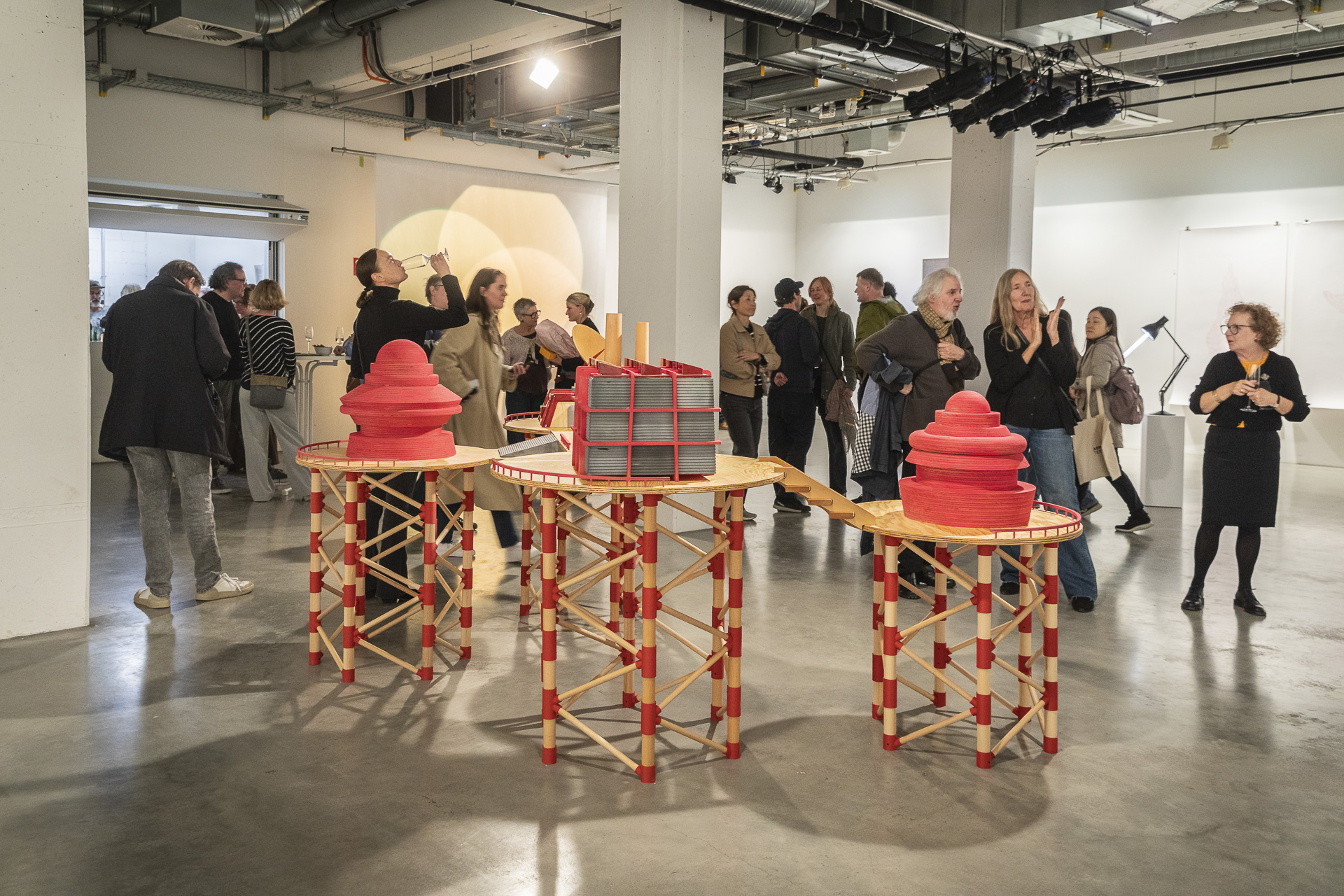
Mit subventionierten Ateliers sowie Ausstellungsmöglichkeiten unterstützt unsere Stiftung eine kreative Künstlergemeinschaft – die whiteBOX-Ateliers, die unser Viertel mit ihrem Ideenreichtum und ihrer künstlerischen Schaffenskraft immer wieder neu belebt. Zirka 30 Künstlerinnen und Künstler verschiedener Sparten sind bei uns im Werksviertel-Mitte zu Hause.
Der 2025 ins Leben gerufene all inclusive Award würdigt und fördert inklusive Filmproduktionen und macht Projekte sichtbar, die Künstlerinnen und Künstler mit Behinderung vor oder hinter der Kamera zeigen oder sich dem Thema Inklusion in besonderer Weise widmen. Der all inclusive Dokumentarfilmpreis wird gemeinsam mit dem DOK.fest München ausgerichtet und ist mit 5000 Euro dotiert.
Durch das guatemaltekische Honorarkonsulat bei uns im Quartier ist das Werksviertel-Mitte dem südamerikanischen Staat seit Jahren verbunden. Der von der Werksviertel-Mitte Stiftung betreute GuatePro Freundeskreis widmet sich speziell der Förderung der Jugend- und Altenhilfe sowie der öffentlichen Gesundheitspflege in Guatemala. Gefördert werden vor allem bedürftige Kinder.
Seit mehr als 6 Jahren befindet sich im Werksviertel-Mitte auch das Paralympische Fechtzentrum. Dort trainieren Rollstuhlfechterinnen und Rollstuhlfechter für ihren Traum von Olympischen Spielen. Unter dem Motto „Ein Fechtrollstuhl für Leonie“ sammelten wir 2025 Spendengelder für die 13-jährige Leonie Robinson. Eine Aktion, die beispielhaft für die direkte Hilfe ist, die unsere Stiftung immer wieder leistet.


Mitmachen
Sie können die Werksviertel-Mitte Stiftung und unsere Projekte und Aktionen gern unterstützen.
Mit einer direkten Geldspende:
IBAN DE71 7002 0270 0015 7151 91
oder
Mit Ihrer Zeit:
Sie haben Interesse an unseren Projekten und Aktionen ehrenamtlich mitzuwirken oder sich als Unternehmen zu beteiligen?
Schreiben Sie uns. Oder rufen Sie uns an: +49 89 4132–260
Die Werksviertel-Mitte Stiftung wird vertreten von:
Isabell Zacharias, Geschäftsführerin



Unsere weitere Stiftungswelt
Theobald-Böhm-Stiftung
Theobald Böhm (1794-1881) war Mitglied der Münchner Hofkapelle unter König Ludwig I. und entwickelte ein spezielles Klappensystem für die Querflöte, das heute weltweit benutzt wird und viele Flötenstücke erst spielbar machte. Die nach ihm benannte Stiftung pflegt sein Wirken und Andenken.
Münchner Kindl Stiftung
Die Münchner Kindl Stiftung für Münchner Kinder wurde 1961 gegründet. Seitdem fördert sie die Einrichtung und den Erhalt von Kinderspielplätzen, Bolzplätzen, Kinderkrippen und -gärten sowie weitere Projekte der Kinder- und Jugendhilfe insbesondere im Bereich der Bildung.