Allen voran das WERK12, dem es mit Leichtigkeit gelingt, aus dem ebenso vielseitigen wie aufregenden architektonischen Ensemble des Viertels herauszustechen. Zu groß ist die Wirkung, die von der umlaufenden Fassade ausgeht, in die fünf Meter große Buchstaben eingelassen sind. Des nachts leuchten die riesigen Buchstaben in verschiedenen Farben. „WOW“, „HIHI“ oder „HMPF“ steht auf dem WERK12 zu lesen. Die Botschaften gehen auf einen Wettbewerb zurück, den die Bauherrin OTEC gemeinsam mit der Akademie der Bildenden Künste veranstaltet hatte. Vorbild für den Siegerbeitrag von Beate Engl in Kooperation mit Christian Engelmann war die universal verständliche Sprache, wie jeder sie aus Comics kennt. Außerdem schlagen die bunten Buchstaben eine Brücke zu den vielen Graffiti, die das Viertel prägten und prägen.


Gute Architektur erzählt immer eine Geschichte. Und obwohl es sich beim WERK17 im Werksviertel-Mitte ebenfalls um einen Neubau handelt, beginnt die Geschichte des Gebäudes bereits vor mehr als 600 Jahren. Seit dem 14. Jahrhundert wurde in diesem Gebiet im Münchner Osten Lehm abgebaut. Aus diesem Lehm wurden anschließend die Ziegel gebrannt, auf denen München zu großen Teilen aufgebaut ist. Es ist diese Historie, auf die das Architekturbüro Hild und K aus Berlin Bezug nahm, als es für das WERK17 eine Fassade entwarf, die eine unverkennbare Reminiszenz an die Lehmstadt München darstellt. Dafür wurden großformatige Ziegel in Elemente aus eingefärbtem Beton eingelegt, mit denen die Architekten dem Baustoff Beton seine Kälte nehmen konnten.


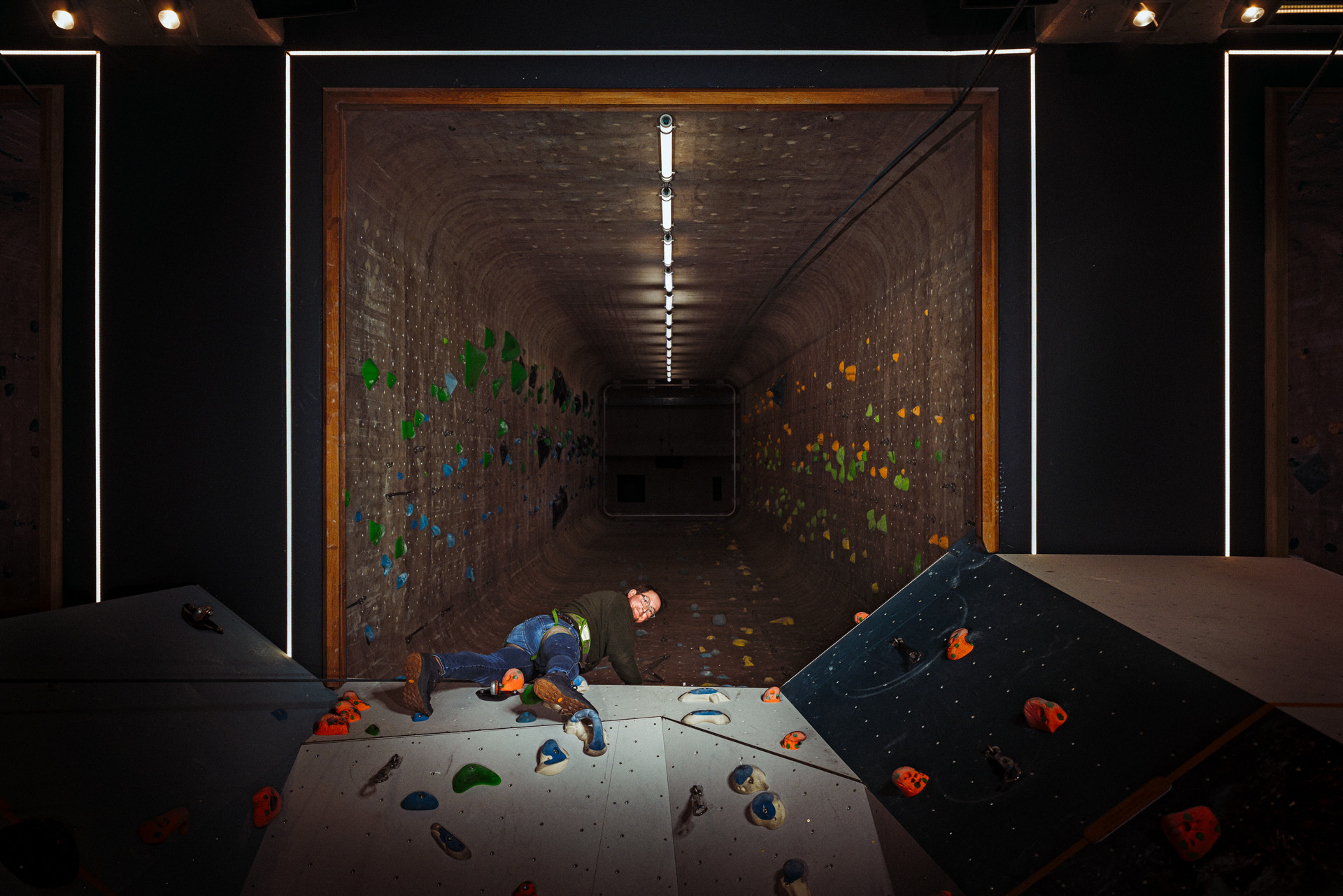
Auch im WERK4, mit einer Höhe von 86 Metern eindrucksvolle Landmarke im Quartier, finden sich architektonische verarbeitete Erinnerungen an die Historie des Quartiers. So ist der Bereich unten, wo sich das Wombats Hostel und eine Kletter- und Boulderhalle befinden, mit gewellten Blechen verkleidet, um den früheren Industriecharakter aufzugreifen. Die schwarzen perforierten Metallelemente der Silofassade des Adina Hotels darüber leiten sich hingegen von den Rüttelblechen ab, die zur Kartoffelsortierung genutzt wurden. Im WERK4 dienen sie als Sonnenschutz und schaffen Intimität.


Das ebenfalls vom Architekturbüro Hild und K Architektur gestaltete WERK1.4 knüpft konsequent an die Architektursprache der Fünfziger- und Sechzigerjahre an, in denen das Pfanni-Areal mit dem Unternehmen kräftig wuchs. Dazu gehören zum Beispiel Hell-Dunkel-Kontraste, Glasfassaden, Ausfachungen mit Strukturgläsern und roh belassene Oberflächen. Herzstück des WERK1.4 ist die 500 m² große „Schlosserei“. Auch sie ist eine Reminiszenz an die Vergangenheit des Viertels. Auf einem kleinen Teil des Baufeldes stand früher das sogenannten WERK6, die Schlosserei aus der Pfanni-Produktionszeit. Das Gebäude musste zwar komplett abgerissen werden, planerisch ist die ehemalige Schlosserei jedoch in ihren Grundrissen im Neubau des WERK1.4 integriert und übernimmt dort die Funktion der Lobby.
Wenn man so will, dann sorgt die Architektur an vielen Stellen im Werksviertel-Mitte dafür, dass die Geschichte des Quartiers, ohne ausschließlich in ein Museum eingesperrt zu sein, Teil seiner Zukunft sein kann. Wie genial.