Ist es möglich, im 21. Jahrhundert eine Wohnbebauung ohne Heizung zu realisieren? Irgendwann diskutierte das Planungsteam der Werkshöfe sogar diese Frage. Motiviert dazu hatte sie unter anderem der Bauherr der Werkshöfe, die OTEC. Schließlich hatte der für sein Wohnprojekt im Werksviertel-Mitte das Prinzip einer durchaus radikal zu denkenden baulichen Einfachheit vorgegeben. Und hatte man nicht in Basel, wo sich die Projektplaner unter anderem Inspiration geholt hatten, in einem Atelier-Wohnhaus mit eigenen Augen gesehen, dass ein Gebäude ohne Heizung tatsächlich funktionieren kann?
„Wir haben uns dann doch für eine Heizung in den Wohnungen entschieden“, sagt Timo Schneckenburger, Geschäftsführer der OTEC, mit einem Schmunzeln. Letztlich wäre das Risiko zu groß gewesen. Doch die Anekdote aus dem Planungsprozess zeigt, wie ernsthaft alle Beteiligten versucht haben und noch immer versuchen, bei der Entwicklung der Wohnbebauung im Werksviertel-Mitte mit Gewohnheiten zu brechen. So wie es das Quartier in anderen Bereichen, wie dem Arbeiten, bei der Durchmischung von Kultur und Unterhaltung oder bei der eigenständigen Energieversorgung und den diversen Nachhaltigkeitskonzepten, ja bereits macht. Wird also bei der Wohnbebauung der nächste große Wurf gelingen?


Um eine Antwort auf diese Frage zu finden, muss man erstmal verstehen, wie das Werksviertel-Mitte funktioniert. Es ginge wie im Viertel auch bei der Wohnbebauung nicht darum, das exklusivste oder gestalterisch plakativste Objekt zu realisieren, sondern in erster Linie einen Raum für Menschen, an dem sie sich wohlfühlen, an dem sie gut und gerne zusammenleben. Die Betonung legt Schneckenburger dabei auf das „zusammen“. „Wichtiger als beispielsweise die Ausgestaltung der Fassade oder die Beschaffenheit des Parkettbodens waren für uns erst einmal andere Fragen. Zum Beispiel, ob wir auf das Gemeinschaftsdach eine durchgehende Joggingstrecke bekommen und wie lang die ist. Oder ob wir einen Basketballplatz für die Bewohner auf dem Dach unterbringen können.“ Weil es solche Orte sind, die Begegnungen ermöglichen und Gemeinschaft stiften. Natürlich können solche Begegnungsräume auch Konfliktpotenziale bergen. Etwa wenn die einen Nachbarn ihren Ruhe haben wollen, während die anderen beim Basketballspielen richtig aufdrehen. Das ist Leben.
Und das soll nicht nur auf dem Dach, sondern auch in die Erdgeschosse einziehen, mit Einzelhandel, Cafés und kommunalen Flächen, die von den Bewohnern gemeinsam genutzt werden. Auch die Laubengänge, über die der Zugang zu den Wohnungen erfolgt, sind solche Gemeinschaftsflächen, über die ebenfalls lange diskutierte wurde, da sie eine spezifische Erschließung der Wohnungen und damit der Grundriss-Typologien definieren. Also musste abgewogen werden, was wichtiger ist. Auch in diesem Fall fiel die Entscheidung zugunsten der Begegnung aus, also für die Laubengänge.
„Es wird für uns auch darum gehen, dass wir die Mieter finden, die bereit sind, sich auf das Leben in den Werkshöfen und im Werksviertel einzulassen.“
Wie wichtig dem Viertel das Zusammenleben aller Mieter in den Werkshöfen ist, zeigt sich auch darin, dass die sozial geförderten Wohnungen in alle Bauteile eingestreut werden. „Dass wir das Durchziehen, und diese Mietergruppe nicht wie üblich separieren, sondern so weit wie möglich gleichberechtigt behandeln und ganz normal integrieren, davor ziehen viele den Hut“, berichtet Heike Martin nicht ohne Stolz. Denn Leitbilder sind ja schön und gut. Die hat mittlerweile jeder Projektentwickler. Nur müssen am Ende die vielen wohlformulierten Sätze aus den Prospekten und Exposés eben auch gelebt werden, damit sie einen realen Wert in der Welt bekommen. Gelingt das nicht, bleiben sie nichts weiter als hohle Phrasen. „Es wird für uns auch darum gehen, dass wir die Mieter finden, die zu unserem Konzept passen. Die bereit sind, sich auf das Leben in den Werkshöfen und im Werksviertel einzulassen“, weiß Timo Schneckenburger. Und das nicht nur im Hier und Jetzt, sondern auch noch einige Generation weitergedacht. „Eines unserer zentralen Leitbilder im Werksviertel-Mitte ist die Urenkeltauglichkeit“, erklärt Schneckenburger. „In diesem Begriff manifestiert sich unsere Vorstellung von Nachhaltigkeit, die wir immer ganzheitlich, also sozial, ökologisch und ökonomisch denken.“ Im besonderen Fokus der Planer der Werkshöfe steht daher auch der Lebenszyklus der neuen Wohnungen. „Für unsere Werkshöfe streben wir einen Lebenszyklus von mehr als 222 Jahren an“, sagt Schneckenburger. Diese lange Zeitspanne soll ebenso wie das Prinzip des einfachen Bauens zu einem wirklich nachhaltigen Gebäude führen.
Das einfache Bauen zeigt sich zum Beispiel darin, dass sich die Planer bemühen, so weit möglich, Materialien zu verwenden, die wieder in den Kreislauf der Natur zurückgeführt werden können und keine Verbundstoffe. Statt einer mechanischen Lüftung setzt man auf eine Fensterlüftung. Statt elektrischer Rollos gibt es Vorhänge wie im sonnenreichen Italien, die man zuziehen kann. „Dort funktioniert das seit Jahrzehnten hervorragend“, lacht Schneckenburgern. Wobei im Gespräch schnell klar wird, dass die Begrifflichkeit „einfaches Bauen“ etwas irreführend ist. Denn nicht immer sind die gängigen DIN-Normen kompatibel mit dem Ansinnen eines Bauherren auf Verzicht. „Gott sei Dank gibt es hier endlich von der unserer Bundesbaumministerin politische Unterstützung“, merkt Schneckenburger an. In manchen Fällen wurden die Möglichkeiten des einfachen Bauens von Bauherr und Planern jedoch bewusst nicht vollständig ausgereizt. Zum Beispiel beim Schallschutz. Das pralle Leben in den Werkshöfen wurde dann doch lieber um die Option des Rückzugs in die Ruhe der eigenen vier Wände erweitert.

Zum Beispiel, dass es für die Auskragung der Laubengänge eine spezielle Konstruktion braucht, wie Landschaftsarchitektin Stefanie Jühling erzählt. Sie ist mit ihrem Team für die Landschaftsarchitektur der Werkshöfe verantwortlich. Insbesondere für das intensiv begrünte Gemeinschaftsdach. Und hierbei stießen die Landschaftsarchitekten immer wieder mal mit dem Prinzip des einfachen Bauens zusammen. Etwa bei den Laubengängen. Dort war von den Fachplanern lediglich eine Rohdecke vorgesehen. „Auf der hätten wir jedoch unsere Begrünung nicht umsetzen können.“ Also musste für die Statik-Anforderung der Landschaftsarchitekten eine Lösung gefunden werden. „Wir planen immerhin einen Teil des Daches als Walddach mit Bäumen. Es wird aber auch ein Grasdach und andere Bereiche geben“, so Jühling. Und natürlich auch die umlaufende Joggingstrecke, auf der sich Jühling schon jetzt ein gemeinsames Rennen aller Planer wünscht. Neben dem Dach ist auch eine Begrünung der Laubengänge geplant. „Dafür wird es extra Regentonnen geben, die Wasser auffangen, das die Mieter zum Gießen benutzen können.“

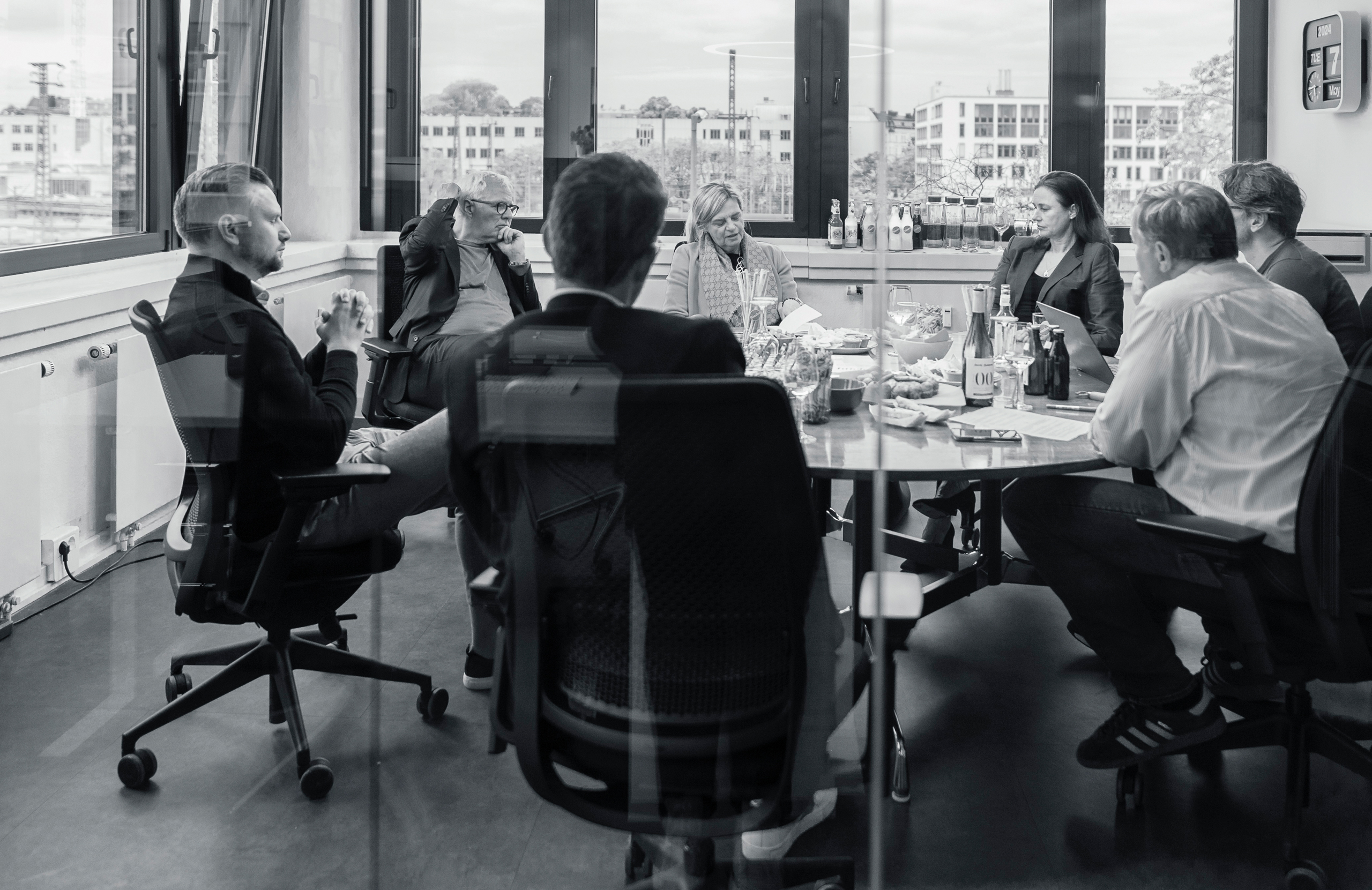
Dass die Aushandlungsprozesse, die jede der beteiligten Parteien fordert, bisher stets im guten Kompromiss endeten, davon war man anfangs bei der OTEC gar nicht ausgegangen. Daher hatte man eigentlich von Anfang an auch die Möglichkeit einer externen Mediation eingeplant. „Bisher haben wir die noch nicht gebraucht“, erklärt Fachplaner Markus Emde. Wenn man nach einen Grund sucht, woran das liegen könnte, dann findet man ihn vielleicht in dem, was Markus Emde sagt, als das gemeinsame Gespräch eigentlich schon vorbei ist. Er beginnt von seiner Wohnung zu erzählen. Ein Gründerzeitenbau, der natürlich nicht den Trittschallschutz hat, wie er heute Standard ist. „Und ja, ich höre ab und zu mal einen Nachbarn oder wenn der Junge unter mir Klavier spielt. Das stört mich aber nicht.“ Und er erzählt von den Holztüren in seiner Wohnung. „Die sind 100 Jahre alt.“ Eine davon lag ein paar Jahre im Keller. Erst neulich hatte Emde sie wieder hochgeholt. „Eingehangen, passt.“ Und diese Tür könne man sogar wieder bearbeiten, also abschleifen und lackieren. Mit einer heute üblichen 0815-Spannplattentür ginge so etwas nicht.
Und Markus Emde erzählt auch von seinem Frust, den er manchmal bei seiner Arbeit spürt. „Diese Lebenszyklusanalysen, die von 50 Jahren ausgehen. Das ist doch nicht das, was man eigentlich will. Ich hoffe wirklich, dass dieses Projekt hier ein positives Beispiel wird, und dass der Bau mehr Mut entwickelt, Dinge anders zu machen. Wir wissen seit 40 Jahren, dass wir so nicht weitermachen können. Und wir haben es bisher jedoch gesamtgesellschaftlich nie hingekriegt. Klar müssen wir Planer uns da auch an die eigene Nase fassen. Wir könnten es so viel besser machen.“ Und vielleicht entspringt ja aus genau dieser Möglichkeit, es im Werksviertel-Mitte endlich besser machen zu können, diese bisher erstaunlich reibungslose Fähigkeit zum Kompromiss. Zu einem echten Miteinander eben, wie es ab 2027 auch die Werkshöfe beleben wird.