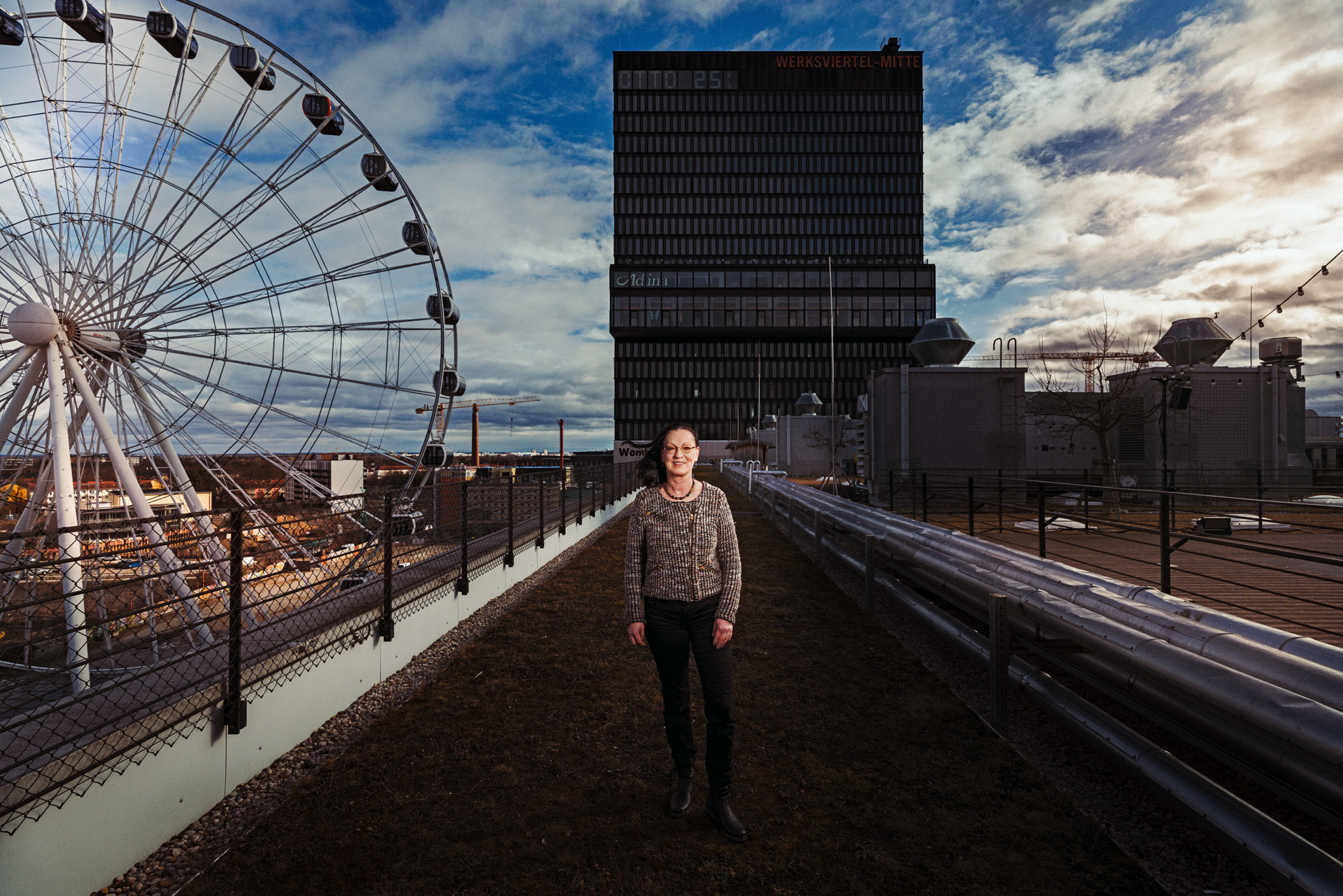
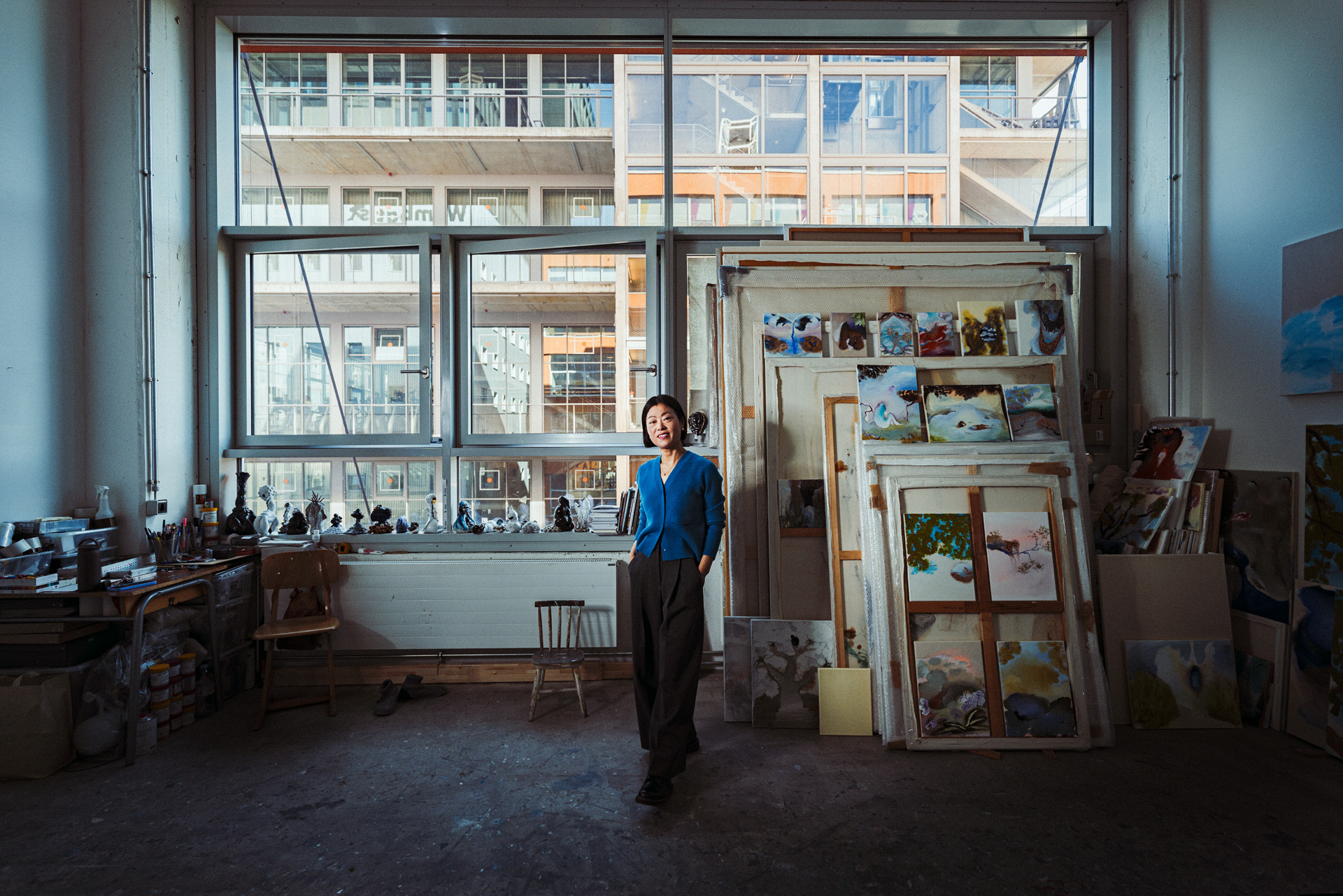
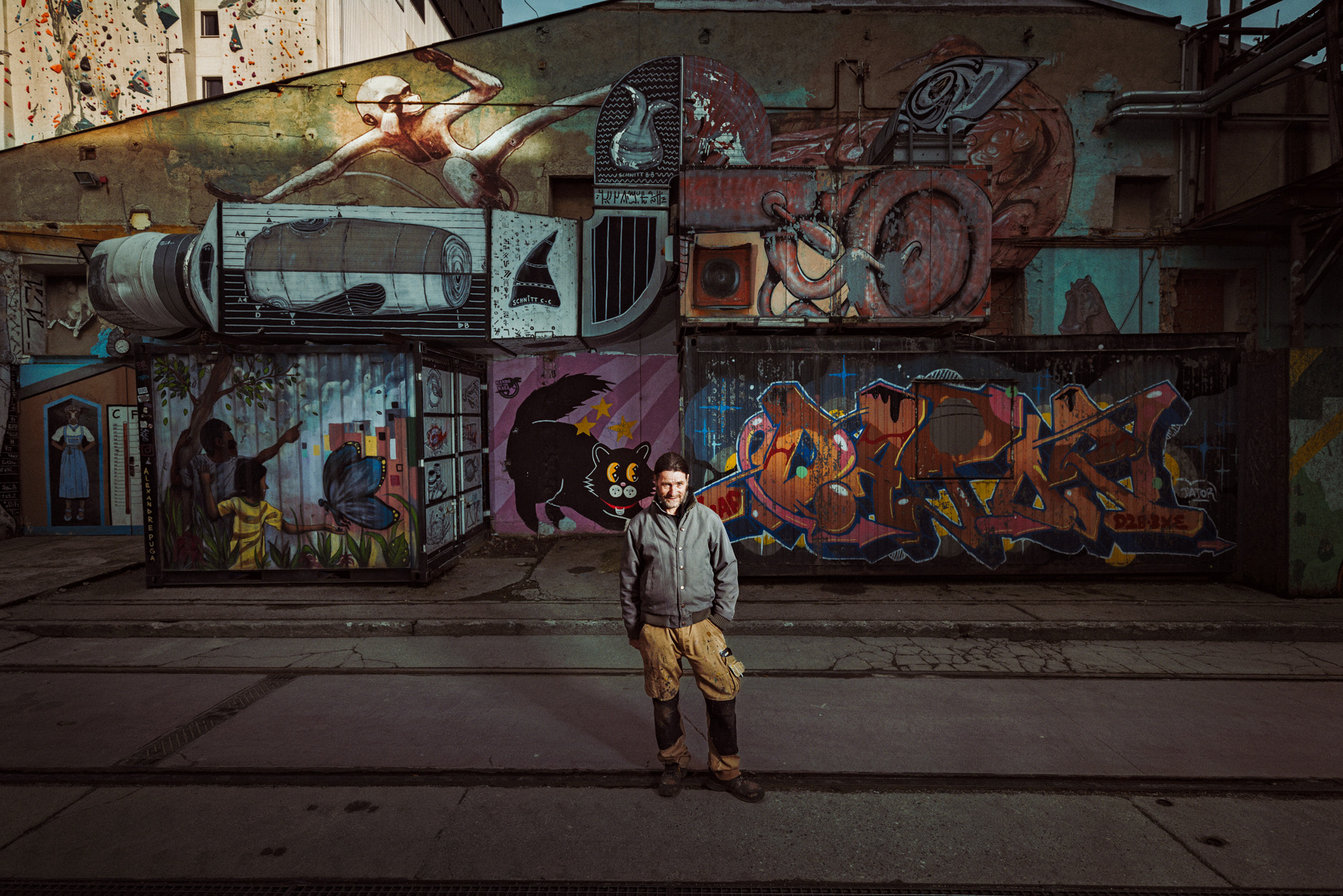
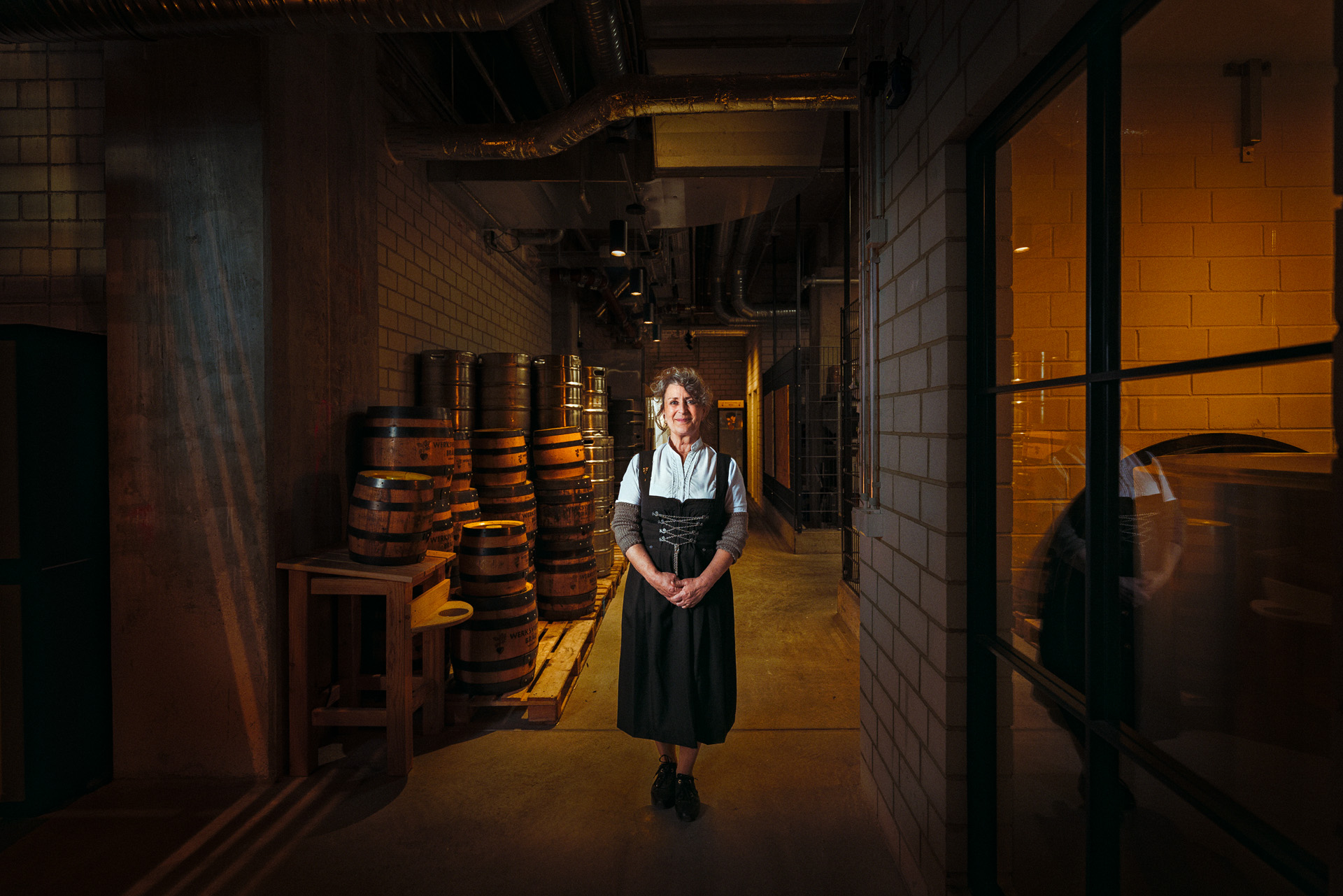
Steht man heute vor dem WERK3 im Werksviertel-Mitte, in dem sich dutzende Gastronomien, Shops aber auch Büros und Künstlerateliers befinden, fällt es im ersten Moment schwer, sich vorzustellen, dass dieser riesige lebendige orangefarbene Klotz einst in den 1950er-Jahren gebaut wurde, um die Produktionsstraßen des Lebensmittelherstellers Pfanni zu beherbergen. Tatsächlich wurden im WERK3 bis 1994 Knödel und Kartoffelpüree hergestellt.


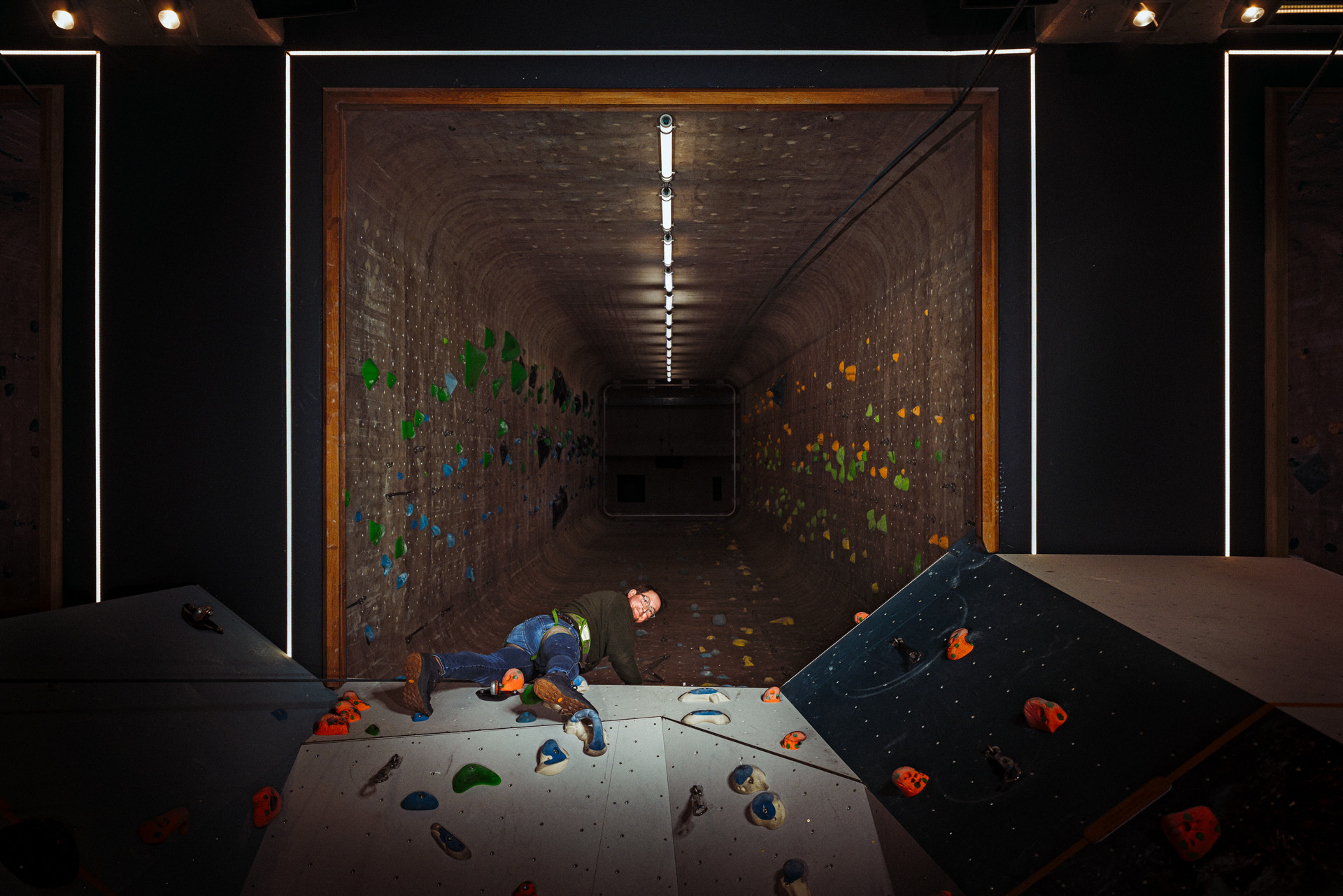
Ähnlich könnte es einem im WERK7 theater ergehen. Klar, der Industriecharme des Theaters fällt einem sofort ins Auge. Nur ist er hier nicht etwa architektonisches Stilmittel, sondern der Historie des Gebäudes geschuldet. Das nämlich war jahrzehntelang ein Kartoffellager. Blickt man ein paar Meter weiter auf die Kletterrouten in den 30 Meter hohen Schächten der Kletter- und Boulderhalle Heavens Gate im WERK4, denkt man: Was für eine geniale Konstruktion. Nur wurden die langen Schächte gar nicht fürs den Klettersport konzipiert. Es handelt sich um umfunktionierte Silos, in denen früher die Kartoffelflocken gelagert wurden, die Pfanni in einem eigens entwickelten Verfahren hergestellt hatte und die Basis für die Produktpallette des Unternehmens waren.


Den Großteil der alten Industriegebäude im Werksviertel-Mitte nicht einfach abzureißen, gehört zu den nachhaltigen Entscheidungen bei der Planung des Stadtquartiers.
Allein 3151 LKW-Fahrten wurden durch den Erhalt der Bausubstanz eingespart. Kein Abriss = kein Bauschutt, der wegtransportiert werden muss.
Von der alten Bausubstanz blieben 85.025 Tonnen an Beton, Mauerwerk und Stahl erhalten. Hätte man diese Menge an Baustoffen neu produziert und angeliefert, wären dabei 7090 Tonnen CO2 ausgestoßen sowie 72 Millionen MJ an Energie verbraucht worden. Das entspricht etwa zwei Dritteln der Energie, die das Werksviertel-Mitte in einem Jahr insgesamt verbraucht.


Neben dem WERK3, dem WERK4 und dem WERK7 theater wurde im Werksviertel-Mitte auch das WERK1 – früher ein Verwaltungsgebäude, heute ein Gründerzentrum – erhalten. Beim Technikum – einst Innovations- und Testlabor, heute Eventlocation – ging das Bauen im Bestand sogar so weit, dass das alte Gebäude in den Neubau des WERK13 integriert wurde.


Doch das Bauen im Bestand hat nicht nur einen nachhaltigen Effekt. Je intensiver man sich mit den Möglichkeiten beschäftigt, desto bewusster wird einem wieder, was eine Stadt, was ein Quartier wirklich lebendig macht: die Vielfalt der Nutzungsmöglichkeiten, die auf den Plätzen, Straßen und in den Räumen ermöglicht werden. Und die sind eben nicht von einer steinernen Hülle vorgeben, sondern allein der menschlichen Kreativität überlassen. Und wenn die sich austoben kann, dann muss man die alte Mitarbeiterkantine eines Produktionsstandortes gar nicht abreißen, sondern macht eine Eventlocation daraus, in der gequizt oder getanzt werden kann. Schauen Sie doch mal in der NachtKantine im Werksviertel-Mitte vorbei. Sie werden überrascht sein, wie neu das Alte sein kann.