Städte sind die vielleicht beste Erfindung, die die Menschen je gemacht haben. Überall auf der Welt zieht es die Menschen zum Leben in die Stadt. 2002 lebte zum ersten Mal in der Geschichte der Menschheit die Mehrheit der Weltbevölkerung in Städten. Seither ist diese Zahl weiter angestiegen. Mittlerweile leben rund 60 Prozent der Menschen weltweit in Städten. Aber warum ist das so? Was macht das Leben in der Stadt so attraktiv? Warum sind Städte so erfolgreich?
Urbanität ist ein komplexes, vielschichtiges Thema – so wie auch Städte vielschichtige und komplexe Gebilde sind. Es geht ja schon damit los, dass Städte nicht per se urban sind. Im Gegenteil, sie können auch öde, langweilig oder gar tot sein. Doch was macht eine Stadt oder ein Stadtquartier denn nun urban? Was ist der Ursprung für die besondere Energie, die einen Ort lebendig macht? Der Schlüssel zum Verständnis von Urbanität steckt in der Vielfalt.


Ohne Angst verschieden sein
Schon Adorno hat einst gesagt: „In der Stadt kann man ohne Angst verschieden sein.“ Auf dem Land sind Lebenswege dagegen weitgehend vorgezeichnet. Der Sohn eines Landwirtes übernimmt irgendwann den väterlichen Betrieb. Ebenso der Nachwuchs des Schreiners. In einer Stadt dagegen kann sich jeder Mensch entscheiden, wer oder was er sein will, ohne pausenlos am Pranger zu stehen. Alles, was es dafür braucht, sind Räume, die den Menschen offenstehen und in denen sie sich frei bewegen und ihre Ideen und Vorlieben ausleben können.
Die Stadt und das uns Fremde
Gelingt das, müssen wir alle uns in der Stadt ständig mit neuen Reizen auseinandersetzen. Das ist auf der einen Seite anstrengend, doch in der Auseinandersetzung mit dem uns Fremden, mit der uns dargebotenen Vielfalt, liegt auch eine große Chance: Wir können Neues entdecken, lernen, uns weiterentwickeln. Wir können kreativ sein. Nicht umsonst sind Städte der wichtigste gesellschaftliche Motor für wirtschaftliche und kulturelle Innovationen. Ohne die Vielfalt der Angebote in der Stadt würden Städte nicht über diese enorme schöpferische Kraft verfügen.


Urbanität als Zumutung
Aus diesem Grund ist Urbanität aber immer auch eine Zumutung. Da gibt es den Lärm von Betrunkenen am Abend vor einer Kneipe, wenn man selbst längst schlafen will. Oder den Stau im Berufsverkehr. Da gibt es die erzwungene Nähe wildfremder Menschen in überfüllten Bussen oder Straßenbahnen. Hinzu kommen die dunklen Ecken einer Stadt. Urbanität heißt eben auch, dass es neben der Kirche auch ein Rotlichtviertel in der Stadt gibt. Eine ordentliche oder gar saubere Urbanität, wie sie vielleicht so manchem Politiker oder Stadtplaner vorschwebt, die gibt es nicht.


Widersprüche leben und aushalten
Wenn der Mensch in der Stadt (über)leben will, muss er lernen, die Widersprüche der Urbanität auszuhalten: Ordnung und Chaos. Freiheit und Einsamkeit. Kontrolle und Spontaneität. Nähe und Isolation. Hochkultur und Subkultur. Eine Stadt hat die ständige Aufgabe, die aus der Vielfalt resultierenden widersprüchlichen Interessen unter einen Hut zu bringen. Der Radfahrende muss sich in der Stadt genauso wohlfühlen wie die Fußgängerin. Die Erholungssuchenden müssen ebenso Räume finden, wie die Menschen, die Lust auf eine wilde Party haben. Wer Appetit auf eine Currywurst hat, wird an einem wirklich urbanen Ort genauso satt werden, wie jemand, der lieber Fine Dining mit einem Thunfischsteak mag. Junge Menschen müssen sich ebenso wohlfühlen wie ältere.


Leben braucht Vielfalt
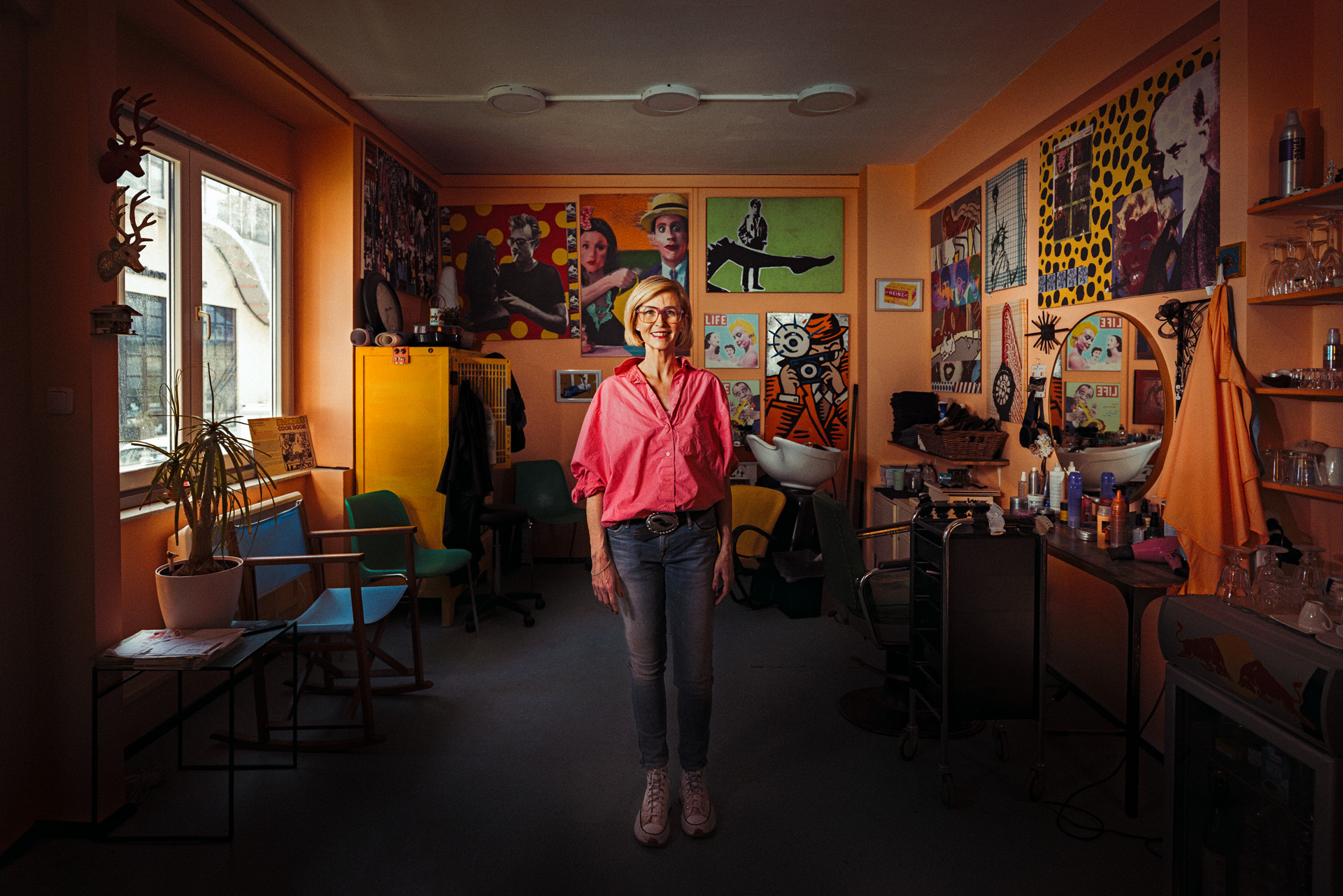
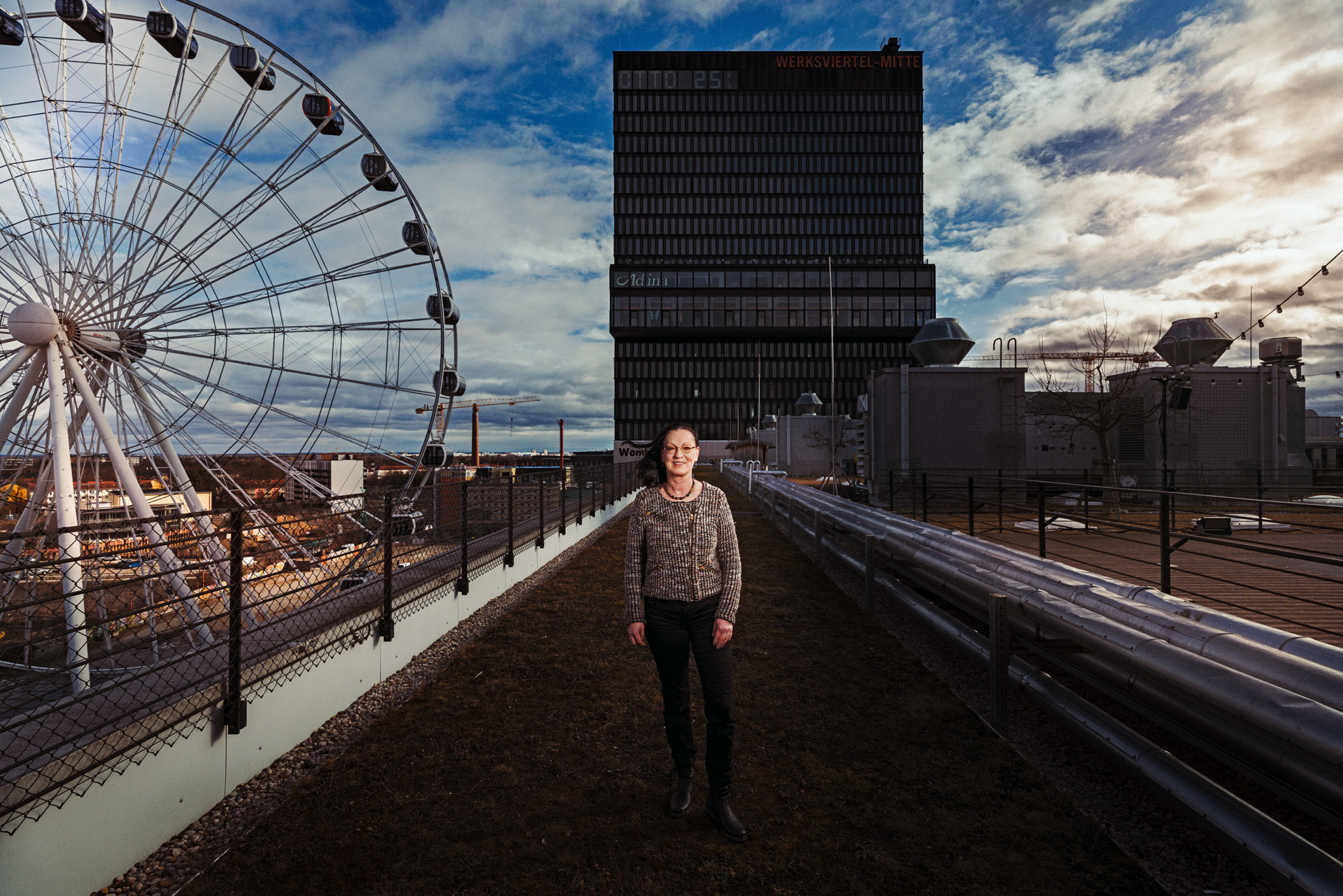
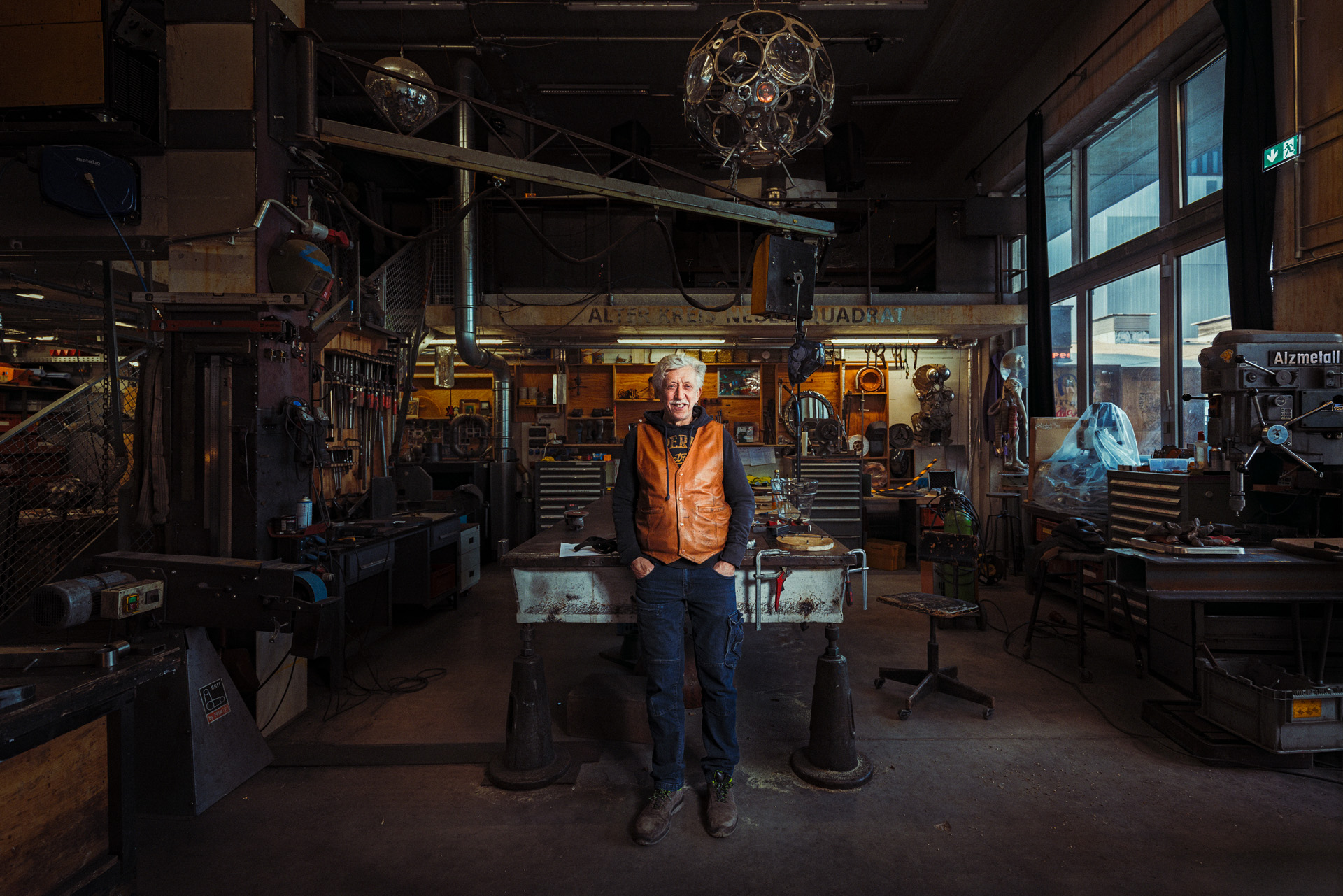
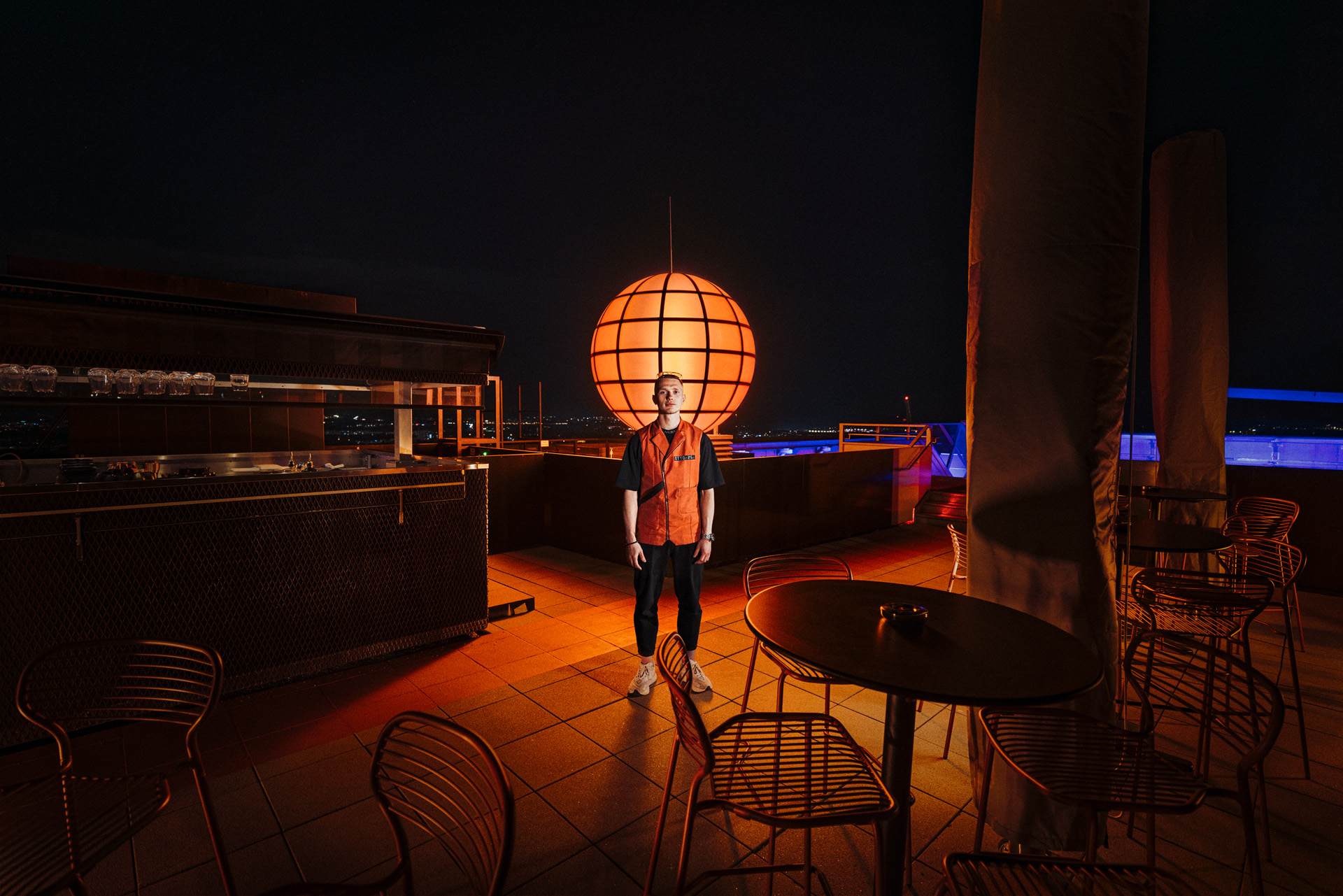
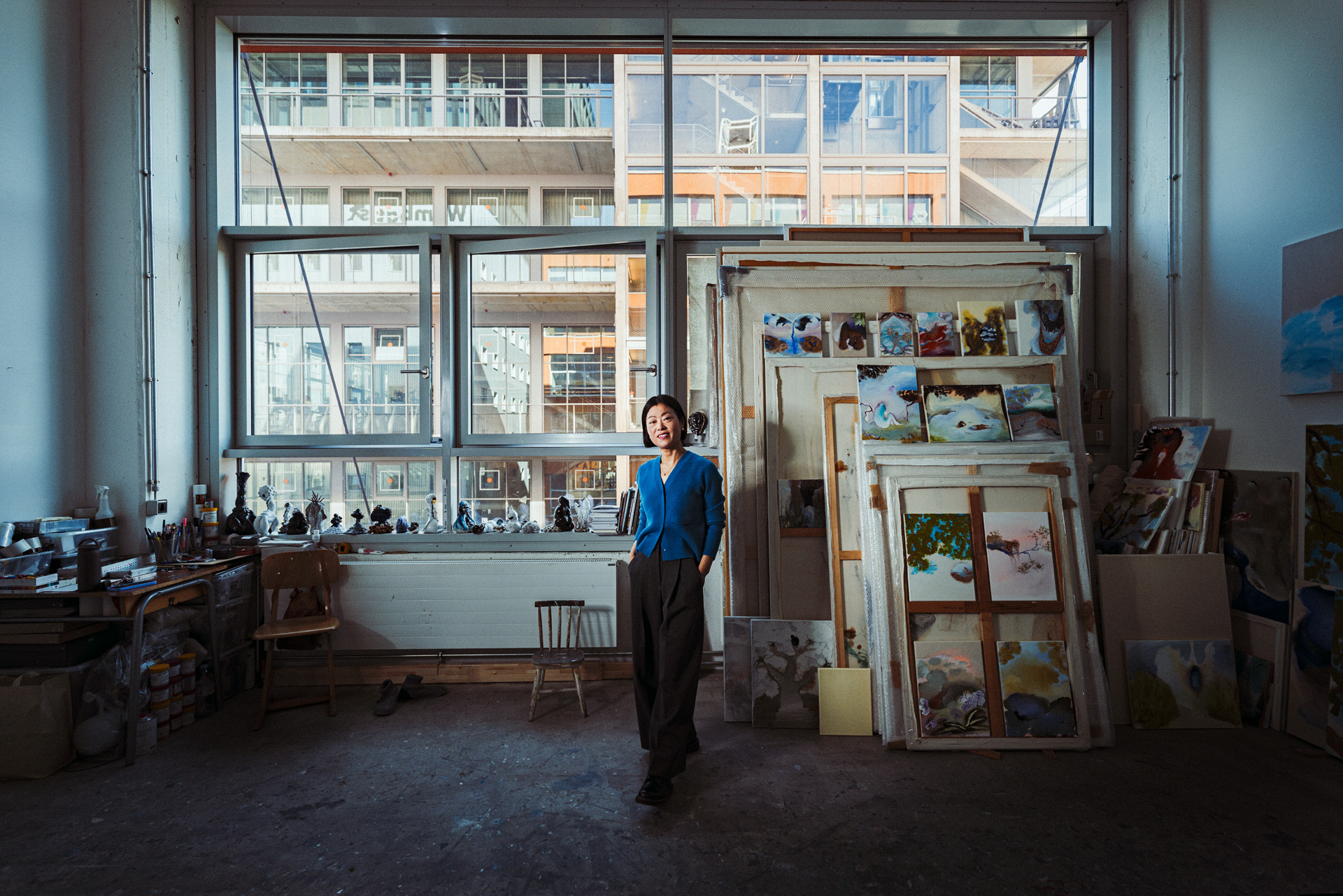
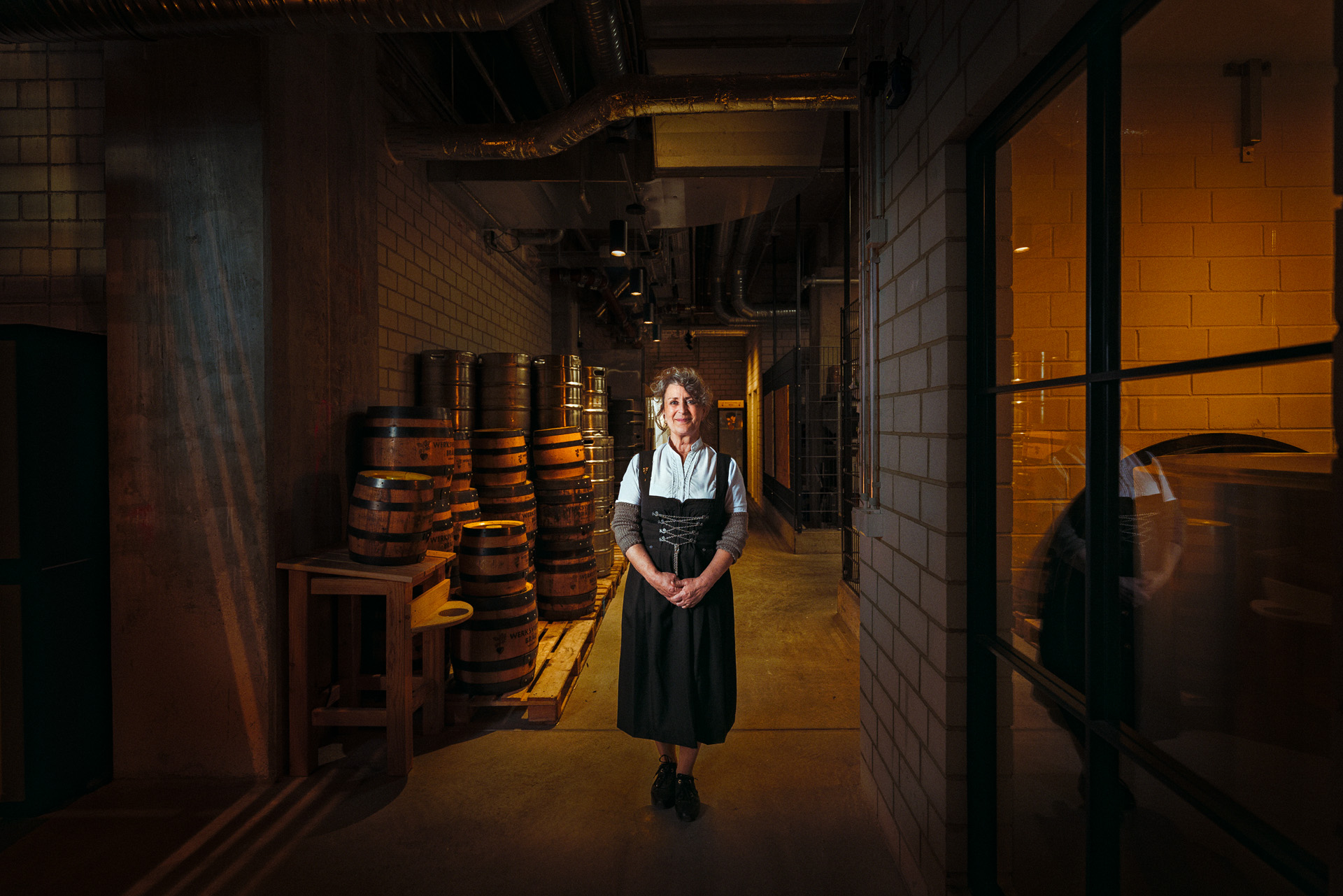
Und an genau diesem Punkt reden wir plötzlich nicht mehr nur über Urbanität, sondern konkret über das Werksviertel-Mitte. Denn die Planer des Quartiers haben genau das voran Beschriebene umgesetzt: Um einen wirklich urbanen, einen lebendigen Ort zu schaffen, haben sie der Vielfalt konsequent Raum gegeben. Arbeiten, Wohnen, Freizeit, Tourismus, Gastronomie, Kultur, Kunst, Musik, Innovation, Tradition … im Werksviertel-Mitte werden urbane Widersprüche ganz bewusst gelebt.


Offener Planungsprozess
Damit einher geht die Erkenntnis, nicht alles kontrollieren zu können und nicht kontrollieren zu müssen. Das tiefe Verständnis von Urbanität hat dazu geführt, dass die Gestalter des Quartiers den Mut aufgebracht haben, sich zudem auf einen planerischen Prozess einzulassen, dessen Ergebnis nicht von vornherein feststeht. Sie haben der Versuchung widerstanden, die urbanen Kräfte des Quartiers, die vor allem durch die Bewohnenden entstehen, immer nur einzuhegen. Stattdessen haben sie diese Kräfte manchmal so lange walten lassen, bis neue Realitäten entstanden sind, die sich plötzlich wie selbstverständlich in das Quartier einfügen. Anders hätte sich dieser unglaubliche Transformationsprozess des Werksviertel-Mitte vom Industriestandort zum Kreativquartier wohl gar nicht bewältigen lassen.


Freiheit und Freiräume
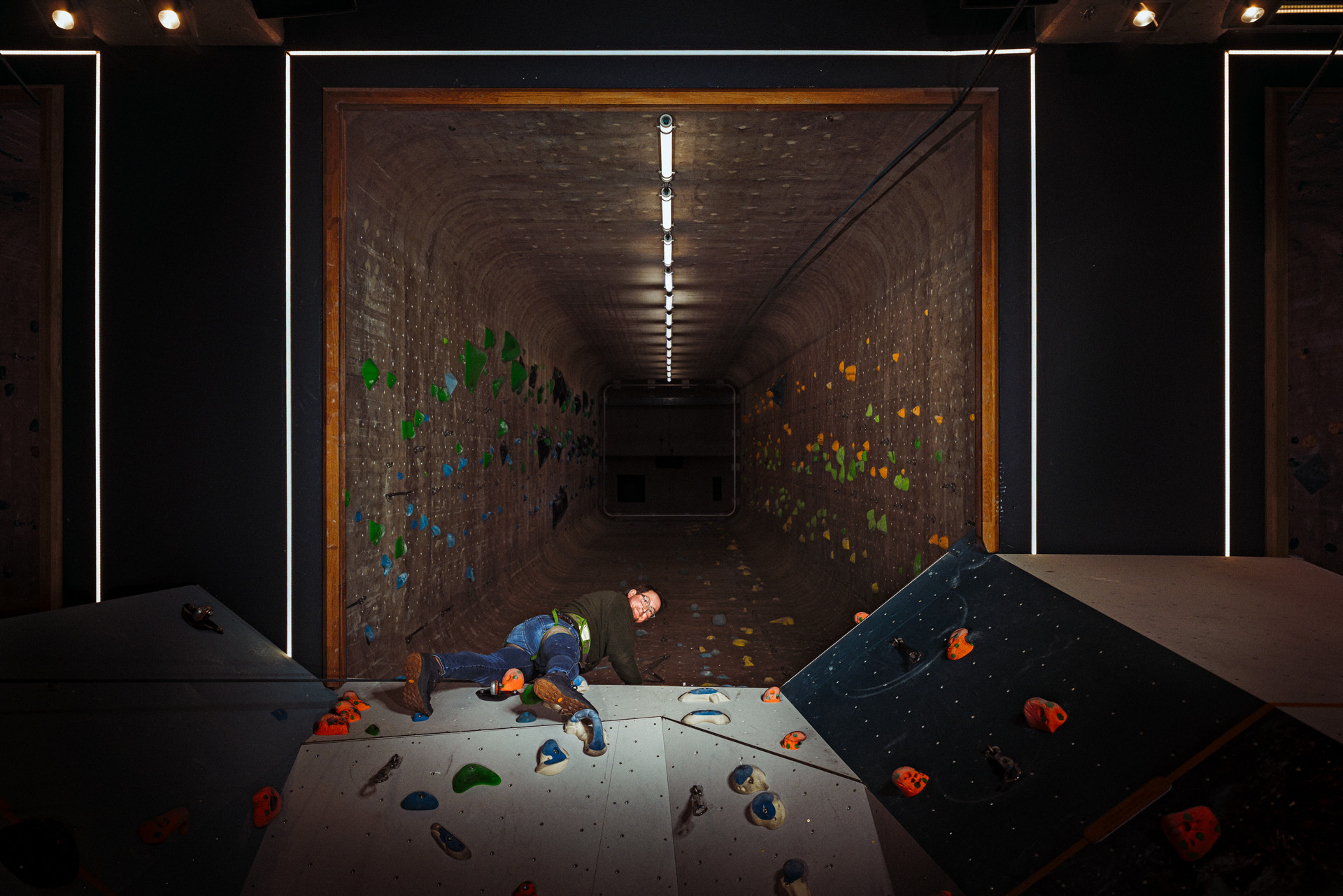
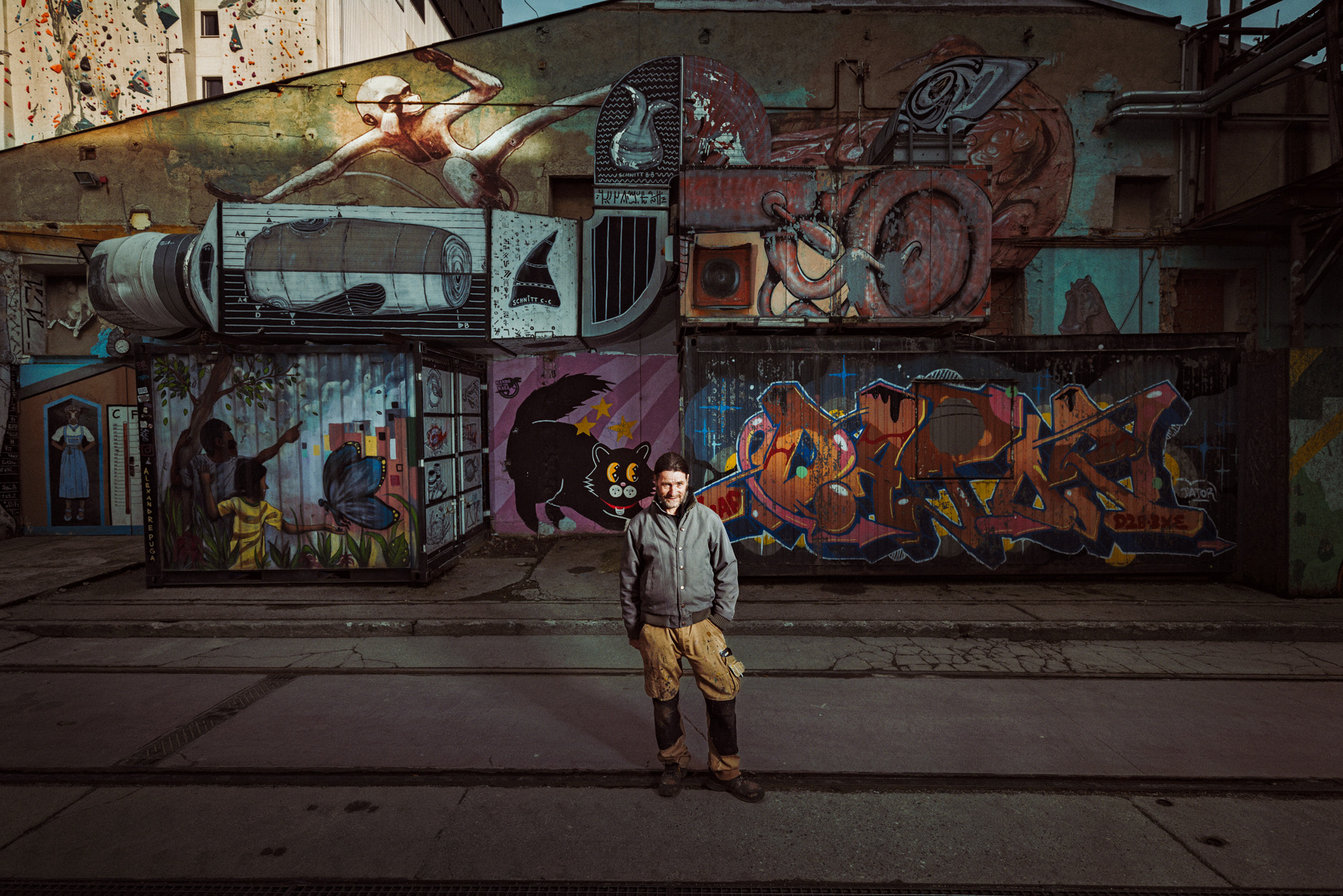
Bis 1994 wurden auf dem Gelände noch Knödel produziert. Dafür waren die Gebäude und die Infrastruktur des Standortes ausgelegt. Wie stark und wirksam Urbanität sein kann, zeigte sich dann jedoch in der Zeit der Zwischennutzung, als die alten Industriebauten kurzerhand in Clubs, Ateliers, Büros, Konzert- oder Kletterhallen umfunktioniert wurden. Sowohl der Kunstpark Ost als auch die Kultfabrik revolutionierten das Münchner Nachtleben und die subkulturelle Kunst- und Veranstaltungsszene der Stadt. Hätte man ein solches Kunst- und Partyareal planen wollen, wäre man gescheitert.


Immer wieder neu
Diese bunte, unterhaltsame und natürlich manchmal auch anstrengende Welt konnte sich nur aus einem urbanen Geist heraus entwickeln. Aus der Freiheit, die Menschen einfach mal machen zu lassen. Die Erfahrung, die die Planer des Quartiers in dieser Zeit sammelten, hat sie inspiriert und ermutigt, Urbanität auch zur gestalterischen Kraft des Werksviertel-Mitte zu machen. Diese Entscheidung war die Grundlage dafür, dass das Stadtquartier im Münchner Osten zu einem Ort werden konnte, der seine Besucherinnen und Besucher immer wieder neu überrascht. Weil rund um den Knödelplatz immer wieder eine besondere Energie entstehen kann, die von Möglichkeiten, vom Unvorhergesehenen, eben von der Vielfalt gespeist wird.