Eine vielfältige Infrastruktur garantiert noch kein lebendiges Stadtquartier
Was verbinden Sie persönlich mit dem Begriff Vielfalt?
Karin Maria Schertler (Serviceplan): Als Erstes Bereicherung. Sie kann aber auch manchmal anstrengend sein. Die Kunst und Herausforderung ist es, aus der Vielfalt etwas gutes Gemeinsames entstehen zu lassen.
Angelika Huber-Straßer (KPMG): Wir setzen uns bei uns im Unternehmen unter dem Motto „Better Together“ mit dem Thema Vielfalt auseinander. Bei KPMG kommen so viele verschiedene ethnische Gruppen und Nationalitäten zusammen. Wir haben fünf Generationen im Unternehmen. All diese Menschen bringen ihren persönlichen Background zu uns. Das gilt es zu managen, damit alle so zusammenarbeiten, dass sie „Better Together“ sind.
Stephan Kahl (R&S I): Ich beziehe meine Antwort auf diese Frage jetzt zunächst einmal spezifisch auf den Standort hier im Werksviertel. Und da kann ich sagen, dass mir Vielfalt hilft, mein Produkt – also Immobilien – besser zu vermieten. Durch eine Vielfalt in der Gestaltung, in der Formatierung, in den Produkttypen, in der Architektur, im Angebot, aber auch in der preislichen Differenzierung produzieren wir das Gegenteil von Monotonie und streuen unser Risiko. Wir hätten auf dem Gelände, das wir verantworten, auch eine ganz andere Entwicklung realisieren können, die klassisch in einen Schuhkarton passt. Aber es geht heutzutage darum, den Menschen mehr zu bieten als eine Wüste. Was wir als Immobilienentwickler nie vergessen sollten, ist die Mieterzufrieden. Diese sichert unseren Erfolg.
Marko Bozanovic (Allianz DIRECT): Für mich steht der Begriff Vielfalt unmittelbar für die Menschen und ihre Beziehungen zueinander. Es geht darum, Menschen aus den unterschiedlichsten Ländern und Kulturen zusammenzubringen und zu erkunden, wie wir uns gegenseitig akzeptieren und voneinander lernen können.
Benno Vogel (Adina): Bei uns im Adina Hotel ist Vielfalt ein alltäglicher Begleiter unseres Tuns. Wir haben Mitarbeiter aus 35 verschiedenen Nationen. Unsere Gäste kommen aus aller Welt. Ich persönlich finde, die besondere Herausforderung in der Auseinandersetzung mit Diversity liegt in der Bereitschaft, dass man seinen eigenen Blick auf die Vielfalt auch verändern kann, wenn es angebracht ist.

In Ihren Perspektiven klingt durch, dass Vielfalt gleichzeitig eine Qualität, aber auch anstrengend sein kann. Wann genau und warum ist das der Fall?
Karin Maria Schertler (Serviceplan): Um mit den Herausforderungen, die mit der Vielfalt einhergehen, angemessen umzugehen, bedarf es einer hohen Dialogkompetenz. Wir sehen aktuell, dass uns diese in der Politik und in der Gesellschaft etwas abhandengekommen ist. Dieser Muskel ist ein wenig verkümmert, weil wir uns zu oft in Social Media Echokammern bewegen oder unseren eigenen Dunstkreis zu selten verlassen. Dadurch sind wir seltener gefordert, uns auch mal konstruktiv aneinander zu reiben, um aus dieser Energie etwas Neues, Positives entstehen zu lassen.
Diese Bereitschaft vermisse ich.
Benno Vogel (Adina): Ein guter Punkt. Ich erlebe das bei uns im Unternehmen zum Beispiel, wenn Mitarbeiter aus Staaten kommen, die im Bürgerkrieg miteinander sind und die diesen Konflikt hierher mitgebracht haben. Zwischen den beiden selbst ist nichts passiert. Durch die politische Situation entsteht jedoch eine Erwartungshaltung gegenüber dem anderen. Und da kann Vielfalt anstrengend werden, wenn es den Beteiligten nicht gelingt, ihre Standpunkte zu überdenken. Leicht wird Vielfalt immer dann, wenn Menschen zusammenkommen, die das Konzept Vielfalt leben wollen. Das merkt man hier im Werksviertel, das sehr darauf ausgerichtet ist, sehr stark.
Menschen umgeben sich gern mit Menschen, die so sind wie sie. Das aufzulösen braucht Zeit.
Karin Maria Schertler (Serviceplan): Das stimmt, das Viertel fühlt sich dank seiner Vielfalt sehr lebendig an, mit einer ganz eigenen Energie. Bei Serviceplan besteht der Ansatz Vielfalt zu leben, ganz bewusst nicht nur darin, den Unterschieden unserer Mitarbeitenden in verschiedenen Initiativen Raum zu geben. Wir versuchen zusätzlich die Kolleg:innen durch gemeinsame Erlebnisse und Momente zu verbinden. Man kann ja das Thema Diversität bis ins Kleinste herunterdeklinieren und am Ende bleiben nur noch voneinander getrennte Minigrüppchen über. Was dabei oft aus dem Blick gerät, sind die Gemeinsamkeiten, die wir haben. Ein praktisches Beispiel: Wir haben in diesem Jahr einen Chor gegründet. Das war keine Top-Level-Strategie, sondern einfach die Idee einer Kollegin, die schon immer gern gesungen hat. Und jetzt finden sich alle zwei Wochen aus den unterschiedlichen Bereichen Kolleg:innen zusammen, die gemeinsam singen. Solche Gemeinschaftsrituale sind wichtig. Wir sind der Überzeugung, dass die Zukunft des Büros das Erlebnis-Office ist.
Stephan Kahl (R&S I): Hat sich die Präsenzquote nach der Corona-Pandemie bei euch wieder erhöht?
Karin Maria Schertler (Serviceplan): Ja, hat sie.
Angelika Huber-Straßer (KPMG): Bei uns auch. Wir machen das tatsächlich vor allem am Standort fest, der für die Mitarbeitenden sehr attraktiv ist. Etwa durch die vielfältigen Gastro-, Freizeit- oder Kulturangebote. Nach der Arbeit ist es kein Problem, gleich in der Nähe etwas zu trinken oder gemeinsam zum Sport zu gehen.
Marko Bozanovic (Allianz DIRECT): Schätzungen zufolge hätten 20 bis 30 Prozent der Mitarbeitenden meiner Abteilung den Arbeitgeber gewechselt, wenn die Möglichkeit bestanden hätte, ausschließlich in Unterföhring zu arbeiten. Der Standort hier im Werksviertel ist daher von großer Bedeutung und hat eine beeindruckende Transformation durchlaufen. Als jemand, der die Zeit der Zwischennutzung in den Clubs noch miterlebt hat, ist es faszinierend zu sehen, dass heute Unternehmen wie Allianz Direct oder Allianz Partners das Quartier als Hauptsitz gewählt haben – das spricht für die Attraktivität dieses Ortes.

Vielfalt hilft mir mein Produkt – also Immobilien – besser zu vermieten. Durch Vielfalt produzieren wir das Gegenteil von Monotonie und streuen unser Risiko.
Ist eine vielfältige Infrastruktur Voraussetzung für ein vielfältiges Stadtquartier?
Angelika Huber-Straßer (KPMG): Das ist kein Automatismus. Die Infrastruktur muss sich an den Bedürfnissen der Menschen orientieren. Wir haben an unserem Standort im Werksviertel zum Beispiel keinen Kindergarten geplant, weil eine Umfrage ergeben hat, dass die Mitarbeitenden den Kindergartenplatz lieber in ihrem eigenen Wohnumfeld haben wollen. Unter anderem auch, damit sie weiterhin leichter im Home-Office arbeiten können.
Marko Bozanovic (Allianz DIRECT): Bei der Wahl des Kindergartenplatzes spielen die sozialen Kontakte im Wohnviertel eine wichtige Rolle – sowohl für die Eltern als auch für die Kinder. Wir haben beispielsweise einen Betriebskindergarten, der besonders von unseren internationalen Mitarbeitenden sehr geschätzt wird. Münchner Kolleginnen und Kollegen hingegen bevorzugen häufig einen Betreuungsplatz in der Nähe ihres Wohnorts.
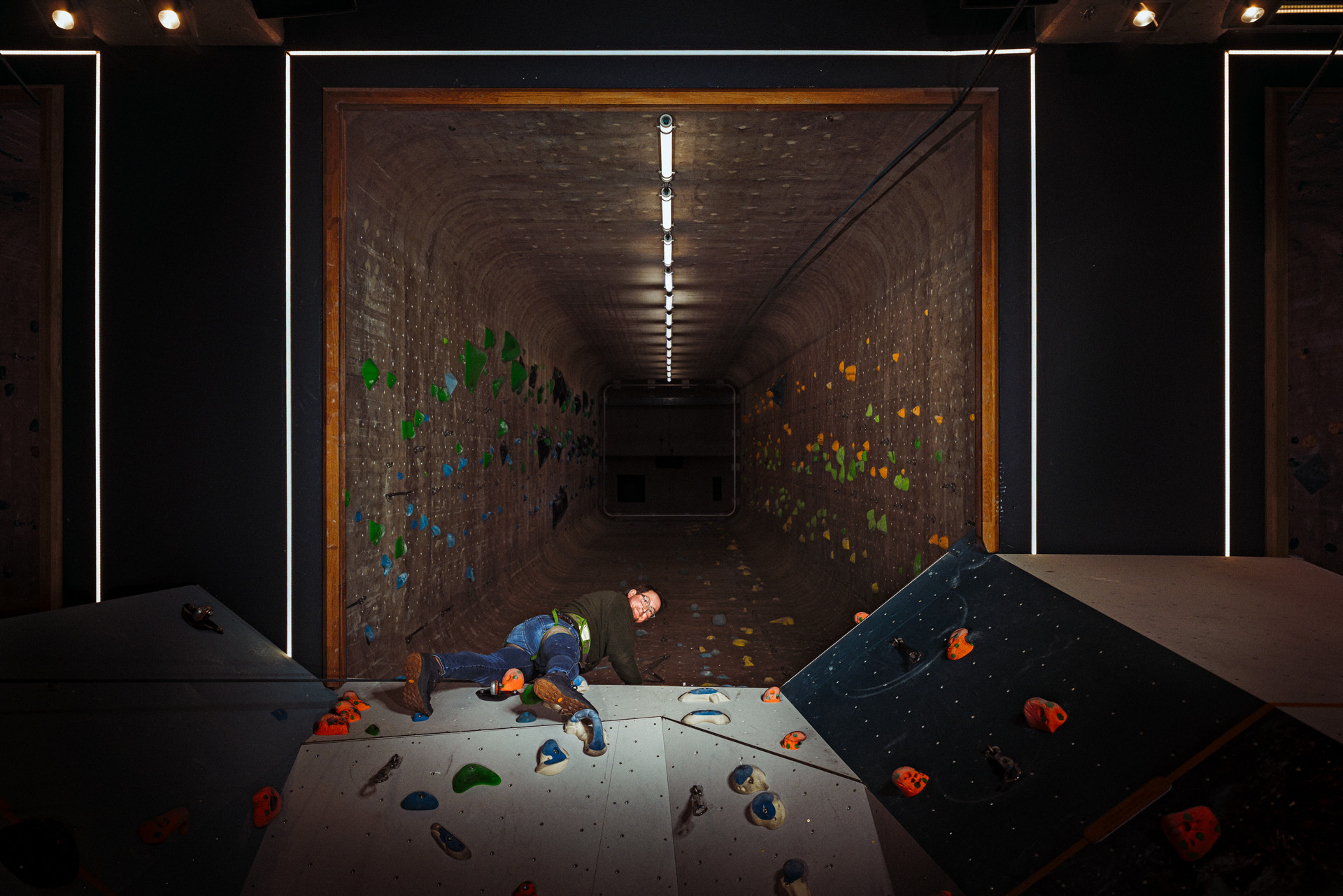
Stephan Kahl (R&S I): Infrastruktur allein schafft keine Vielfalt. Sie muss auch nachhaltig betrieben werden. Wir haben bewusst einen Teil der Verantwortung für die Vielfalt im Betrieb des iCampus abgegeben, weil wir uns die Betreiberrolle mit ihren vielfältigen Anforderungen so nicht zugetraut haben. Also haben wir uns Leute geholt, die das besser können und unterstützen sie, indem wir ihnen Flächen mit einem Discount zur Verfügung stellen, wie zum Beispiel unsere Boulderwelt. Und das funktioniert. Wir haben dadurch mit der Boulderwelt nicht nur einen Ort bekommen, an dem Menschen den ganzen Tag Sport machen können, sondern zusätzlich eine Gastronomie für alle. Mittags herrscht dort mittlerweile Rambazamba. Dieses Konzept der Quersubventionierung hat jedoch auch Grenzen. Ich würde auf dem iCampus gern noch mehr Vielfalt anbieten. Sie rechnet sich aber nicht immer, weil das Budget oder der Bedarf der Nutzer eben auch begrenzt ist.

Zum Umgang mit Vielfalt gehört auch, die Gemeinsamkeiten zu betonen, die uns verbinden.
Frau Huber-Straßer, wie gelingt es Ihnen in Ihrem Unternehmen Vielfalt zu leben?
Angelika Huber-Straßer (KPMG): Wir haben bei uns bei KPMG zahlreiche eigene Programme und eigene Netzwerke, mit denen wir unsere Mitarbeitenden ermuntern, ihre Vielfalt zu zeigen. Wir haben zum Beispiel LGBT-Netzwerke, Frauen-Netzwerke oder Netzwerke für Mitarbeitende mit Migrationshintergrund. Das war nicht immer so. Noch vor zehn Jahren hatten wir als Unternehmen einen sehr viel homogeneren Background, den wir bewusst aufbrechen wollten.
Benno Vogel (Adina): Das finde ich spannend, dass ein globales Unternehmen sagt, wir wollen das Thema Vielfalt wirklich proaktiv angehen und sich dabei wahrscheinlich auch schwierigen Diskussionen, zum Beispiel um Quotenregelungen, stellt.
Angelika Huber-Straßer (KPMG): Es ist ein harter Prozess, in dessen Verlauf wir auf vielen Ebenen festgefahrene Denkstrukturen aufbrechen. Auch durch Quoten. Ich mache zum Beispiel seit 25 Jahren Frauenförderung. Wirklich bewegt hat sich jedoch immer erst dann etwas, wenn der Regulator entsprechende Vorgaben gemacht hat oder Kunden das eingefordert haben. Die Bereitschaft in Unternehmen von sich aus aktiv zu werden, ist meist gering. Dort werden oft nur die Mehrkosten gesehen, die Vielfalt verursacht. Dem halte ich entgegen, dass Vielfalt eben auch sehr viel bringen kann. Vorausgesetzt, sie wird richtig eingesetzt.
Wie kann Vielfalt falsch eingesetzt werden?
Angelika Huber-Straßer (KPMG): Etwa, wenn die Zusammen-setzung eines Teams nicht auf das Ziel oder die Umstände eines Projekts einzahlt. Homogene Teams kommen zum Beispiel schneller zu Lösungen. Heterogene Teams brauchen länger, liefern dafür jedoch meist bessere Lösungen. Dieses Thema ist mittlerweile sehr gut erforscht. Als Unternehmen müssen wir bei bestimmten Projekten vor allem schnell sein, bei Steuererklärungen oder bei Transaktionen zu Unternehmensabwicklungen. In solchen Fällen macht es Sinn, eher auf homogene Teams zu setzen.

Den entspannten Dresscode im Büro von Allianz Direct kannte ich aus meiner Zeit in London nicht.
Wie vielfältig sind Ihre Unternehmen bereits aufgestellt?
Angelika Huber-Straßer (KPMG): Vielfalt beginnt beim Recruiting. Es gibt ja das Phänomen der sogenannten homosozialen Reproduktion. Menschen umgeben sich gern mit Menschen, die so sind wie sie. In der Arbeit, aber auch in der Freizeit. Daher tendieren Führungskräfte in der Regel auch dazu, homosozial zu rekrutieren. Das Aufzulösen braucht Zeit und wir bewegen uns ja. Heute sind etwa Tattoos nicht mehr automatisch ein Ausschlusskriterium, um Berater bei uns zu sein.
Benno Vogel (Adina): Früher war das selbst bei uns in der Hotellerie ein No-Go.
Marko Bozanovic (Allianz DIRECT): Nach meinem Aufenthalt in London war der entspannte Dresscode im Büro von Allianz Direct für mich eine große Umstellung. Ich habe immer viel Wert auf meine Anzugsammlung gelegt und trage als gebürtiger Kroate gerne eine Krawatte – ein Kleidungsstück, das seinen Ursprung in Kroatien hat. Die formelle Kleidung, die lange Zeit für Versicherungsvertreter typisch war, haben wir inzwischen abgelegt. Heute können unsere Mitarbeitenden so zur Arbeit kommen, wie sie sich am wohlsten fühlen. Auch wenn ich den Ansatz, dass sich Mitarbeitende im Büro wie zu Hause fühlen sollen, teilweise unterstütze, denke ich, dass wir dabei nicht vergessen sollten, dass wir das Unternehmen und unsere Arbeit repräsentieren.
Stephan Kahl (R&S I): Wir haben in diesem Bereich noch Nachholbedarf aufgrund der fehlenden Diversität in technischen Studiengängen in Deutschland. Da tun wir uns noch immer sehr schwer. Die Personalentwicklung versucht das aufbrechen und wir haben kürzlich die erste Frau als Geschäftsbereichsleiterin in unserem Unternehmen gewinnen können.

Können Unternehmen vor dem Hintergrund des Fachkräftemangels überhaupt noch auf Vielfalt verzichten?
Stephan Kahl (R&S I): Um heutzutage Mitarbeiter zu bekommen, musst Du als Unternehmen de facto auf Vielfalt setzen und sie in Deiner Unternehmenskultur und Deinem ganzen Außenauftritt glaubhaft dokumentieren. Es kann sich keiner leisten, die Talente auf der Straße liegen zu lassen. In München stelle ich zum Glück fest, dass gar kein so großer Bedarf an plakativer Vielfalt vorhanden ist, weil der Anteil an Menschen, die die Vorteile von Vielfalt anerkennen, sehr hoch ist. Auf dem Land ist das leider noch anders.
Angelika Huber-Straßer (KPMG): Wir erleben, dass es noch immer Branchen gibt, in denen Diversity gar kein so großes Thema ist, auch weil sie in der Beziehung zum Kunden keine Rolle spielt. Dort wird Diversity einfach nicht nachgefragt und es gibt von Seiten des Marktes überhaupt keinen Druck. Doch genau den braucht es.
Benno Vogel (Adina): Zumal in vielen Unternehmen ja auch sehr viel Pink Washing betrieben und eine Diversität kommuniziert wird, die so gar nicht gelebt wird. Ich habe mich erst neulich mit einem Freund unterhalten, der bei einem großen Münchner Unternehmen arbeitet. Das Unternehmen hatte während des Pride Month eine riesengroße Pride-Flagge aufgehängt. Als sich jedoch ein wichtiger
Kunde aus Saudi-Arabien zu Besuch angekündigte, wurde die Flagge einfach abgehängt. Ich finde vor allem schwierig, dass mit der Flagge ein Standpunkt gesetzt werden sollte, welcher dann stillschweigend verschwunden ist, da die wirtschaftlichen Interessen mehr gewogen haben. Ein Unternehmen sollte hier ehrlich sein, und offen kommunizieren: Wir tragen an der Stelle den regionalen Unterschieden Rechnung, auch weil es ein wichtiger Kunde für uns ist.
Angelika Huber-Straßer (KPMG): Unabhängig von der Kundenbeziehung kann Vielfalt auch im Unternehmen selbst an Grenzen stoßen. Wir haben bei uns zum Beispiel ukrainische und russische Mitarbeiter, die nicht mehr in einem Team zusammenarbeiten wollten. Da ist es unsere Aufgabe, das auszubalancieren und den Menschen wieder einen Raum zu geben, in dem sie sich sicher fühlen können.
In vielen Unternehmen wird noch sehr viel Pink Washing betrieben und eine Diversität kommuniziert, die so gar nicht gelebt wird.
Zwingt Vielfalt Sie als Unternehmen zu einer sensibleren Kommunikation?
Marko Bozanovic (Allianz DIRECT): Es heißt, man solle niemals über Politik und Religion sprechen, wenn man Freundschaften bewahren möchte. In diesem Sinne glaube ich, dass große Unternehmen in ihrer Kommunikation bewusst einen zurückhaltenden Ansatz wählen, um sicherzustellen, dass niemand ausgeschlossen oder verletzt wird. Unsere Unternehmenskommunikation ist stets sehr bedacht und darauf ausgerichtet, alle Perspektiven zu respektieren.
Angelika Huber-Straßer (KPMG): Ich denke, jedes globale Unternehmen steht heutzutage vor der Frage, wie eine sinnvolle Kommunikation möglich ist, die jedem gerecht wird. Und das geht nur, wenn es für sich Werte definiert, die für alle gelten, ob du nun Chinese, Amerikaner, Jude oder Moslem bist.
Karin Maria Schertler (Serviceplan): Ein Ansatz ist auch, Kommunikation weg vom reinen Sender-Empfänger-Ansatz zu denken. Wir halten zum Beispiel die zufälligen Begegnungen unserer Mitarbeitenden für ganz wichtig, um Vielfalt zu moderieren oder überhaupt auf den Weg zu bringen. Unsere Offices sind entsprechend gestaltet, dass sich Menschen immer wieder begegnen und ins Gespräch kommen.
Stephan Kahl (R&S I): Das kann ich so bestätigen. Wenn ich zu euch zum Mittagessen komme, begegnen mir viele Leute, bei denen ich mich freue, sie zu sehen. Es wäre spannend, mal zu tracken, wie viele dieser zufälligen Begegnungen jeden Tag stattfinden. Serendipity – der glückliche Zufall – ist hier das Stichwort erfolgreicher Unternehmenskultur.
Karin Maria Schertler (Serviceplan): Diese zufälligen Begegnungen, die eine Leichtigkeit in den Alltag bringen, sind nicht nur wichtig für den sozialen Kit, sie helfen auch, Kommunikationsprozesse in Gang zu setzen, die nicht geplant sind und die uns zu neuen Ideen und Gedanken führen.
Sehen Sie Digitalisierung als einen wichtigen Vielfaltstreiber?
Angelika Huber-Straßer (KPMG): Das hängt von der Nutzung ab. Das Internet gibt sämtlichen Minoritäten und sämtlicher Vielfalt die Möglichkeit sich zu zeigen. Wenn der Austausch jedoch nur noch in den jeweiligen Bubbles stattfindet, hebelt die Digitalisierung das Prinzip von Vielfalt wieder aus. Wenn Du Dir einmal Katzenbilder angeschaut hast, spielt dir der Algorithmus immer wieder welche in Deinen Kanal. Du wirst ständig mit einem Kontext gefüttert, der dich bestätigt.
Marko Bozanovic (Allianz DIRECT): Die Digitalisierung trägt zweifellos zur Vielfalt bei. Die eigentliche Herausforderung liegt jedoch darin, wie wir mit den daraus entstehenden Unterschieden und Spannungen umgehen. Es geht um Respekt, Toleranz und darum, die Meinungen und Perspektiven anderer zu verstehen, ohne sie vorschnell zu bewerten. Was für den einen positiv besetzt ist, kann für den anderen negativ erscheinen. Dieser komplexe Prozess, den Vielfalt mit sich bringt, erfordert unser aktives Engagement und eine offene, respektvolle Auseinandersetzung.

Interview: Timo Schneckenburger & Daniel Wiechmann